

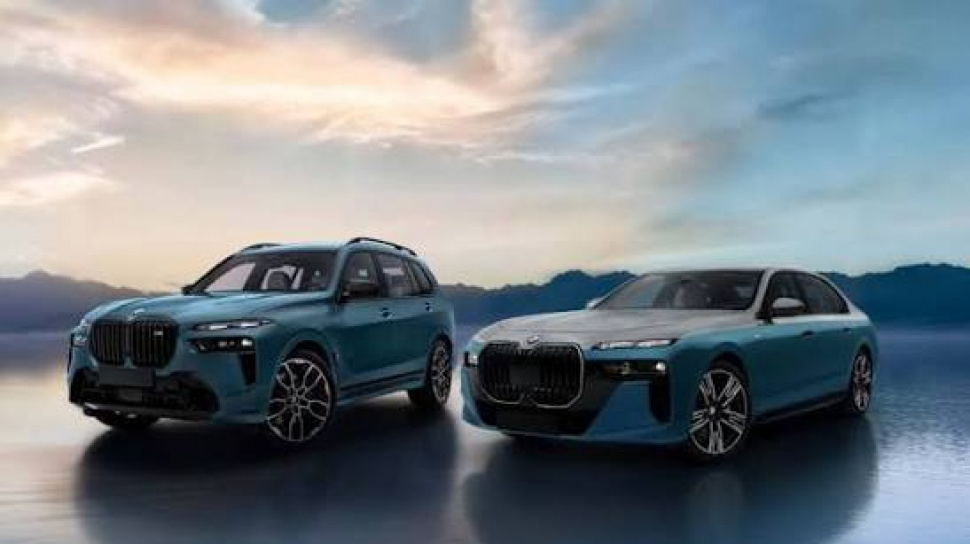

Automotive technology has changed significantly over the past few decades. Modern cars now contain sophisticated electronic systems designed to improve safety, comfort, connectivity, efficiency, and driving assistance. These developments are gradually changing the relationship between drivers and vehicles.
One of the most noticeable changes is the growth of digital displays. Many modern vehicles use digital instrument panels and central touchscreens to present information about speed, navigation, entertainment, vehicle settings, and other functions. Smartphone connectivity can also allow drivers to access selected applications through compatible systems.
Driver-assistance technology is another major development. Depending on the vehicle, systems may include adaptive cruise control, lane departure warnings, blind-spot monitoring, parking assistance, and automatic emergency braking. These technologies are designed to assist drivers, although their capabilities and limitations vary between vehicles.
Parking technology has become particularly useful in urban environments. Rear cameras, parking sensors, and automated parking systems can provide additional information when maneuvering into tight spaces. These features can make parking more convenient while still requiring drivers to remain attentive.
Connected-car technology is also expanding. Some vehicles can communicate with mobile applications, allowing owners to check certain vehicle information remotely. Depending on the model, connected services may provide information about vehicle location, charging status, maintenance reminders, or other functions.
Artificial intelligence and advanced computing are being used in different areas of vehicle development. AI can contribute to driver-assistance systems, voice interfaces, navigation, and other automated functions. More advanced automated-driving technologies are also being developed and tested.
Electric and hybrid powertrains are changing vehicle engineering as well. Electric motors, battery systems, regenerative braking, and sophisticated energy-management software require different approaches from traditional engine-based vehicles.
Cybersecurity is becoming increasingly important as cars become more connected. Vehicles now contain numerous electronic systems and communication technologies, so manufacturers need to consider protection against unauthorized access and other digital threats.
Future vehicles may become even more connected, automated, and software-driven. However, technological progress also creates responsibilities involving safety testing, privacy, cybersecurity, reliability, and human supervision.
Modern car technology can provide significant convenience and useful assistance, but drivers still need to understand how these systems work and where their limitations lie. The future of driving will likely involve increasing cooperation between people, software, sensors, and vehicles rather than technology simply replacing the driver.
https://blessingjourney.com/how-digital-entertainment/
https://fashionsquill.com/the-rise-of-digital-entertainment/



Share the News