

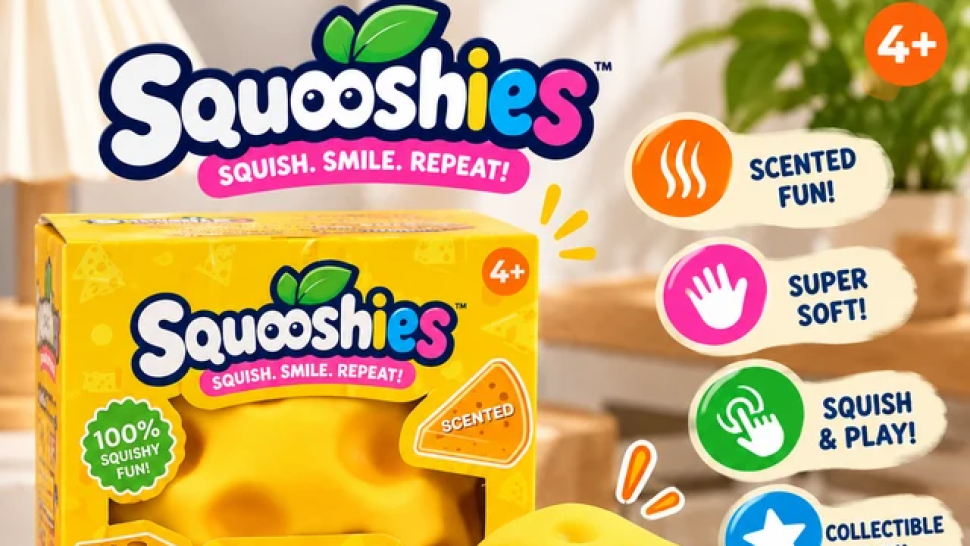

Everyday activities can sometimes feel repetitive, especially for children who enjoy keeping their hands busy while listening, waiting or taking part in a task. Fidget toys offer a simple way to add movement and hands-on interaction to certain moments of the day.
These toys come in many forms, including textured objects, soft squeeze toys, spinners and small items that can be manipulated with the fingers. Some children enjoy them because they provide an interesting physical sensation, while others simply like having something to handle during quiet moments.
Fidget toys are not a solution for every child or situation, but they can be enjoyable additions to everyday routines when chosen appropriately. The key is finding a toy that suits the child’s preferences and does not distract them or others.
What Are Fidget Toys?
Fidget toys are small objects designed to be handled, moved, squeezed or manipulated. They often provide a repetitive physical action, such as pressing, twisting, rolling or turning.
Some are designed around texture, while others focus on movement or resistance. A child might enjoy squeezing a soft toy, turning a small spinner or moving the parts of a tactile object.
Fidget toys are available in different shapes, materials and designs, so there is no single type that suits everyone. A child who enjoys soft textures may prefer a squeeze toy, while another may prefer a toy with moving parts.
When choosing a fidget toy, check its age guidance and product information. Some toys may contain small parts or materials that are unsuitable for younger children.
Making Waiting Time More Enjoyable
Waiting is part of everyday life. Children may need to wait during car journeys, appointments, family outings or while adults finish a task. These moments can feel long when there is little to do.
A suitable fidget toy can give a child something simple to handle while waiting. A small tactile toy may make the experience feel more enjoyable, especially if the child likes exploring different textures or movements.
For example, a child might use a quiet fidget toy while waiting for an appointment or during a short journey. It can provide a small activity without needing a screen or a large collection of toys.
The best choice for these situations is usually compact, easy to carry and quiet enough for the environment.
Adding Hands-On Interest to Quiet Activities
Some children enjoy keeping their hands occupied while listening to a story, taking part in a family conversation or sitting through a quiet activity. A fidget toy can offer a simple physical action alongside the main activity.
However, it is important to consider whether the toy helps the child remain involved or becomes a distraction. A toy that makes noise, flashes or requires visual attention may take focus away from the activity.
For quieter situations, a simple object that can be handled without looking at it may be more suitable. The child should still be able to listen, respond and take part in what is happening.
Fidget toys are best treated as optional tools for play and comfort, rather than something every child needs to use.
Encouraging Breaks Between Tasks
Children often move between different activities throughout the day. They may finish homework, tidy their room, prepare for an outing or move from playtime to another responsibility.
A short break can help make these transitions feel less abrupt. During a break, a child might choose to stretch, move around, draw or use a fidget toy for a few moments.
A fidget toy can be one option for a brief hands-on pause. It may give the child something enjoyable to do before moving on to the next task.
It is helpful to keep the break flexible. Some children may prefer movement or conversation instead of a toy, so the choice should depend on what they find comfortable and enjoyable.
Supporting Creative and Imaginative Play
Fidget toys can also become part of imaginative play. Children may turn a small object into a pretend tool, a character’s accessory or an item in an invented game.
A textured toy might become a pretend ingredient, while a small moving object could be used as part of a story. The toy does not need to have a complicated design for children to create their own ideas around it.
This type of play can be especially enjoyable when children are given the freedom to decide how to use the toy. Rather than showing them one fixed way to play, allow them to explore and invent their own activities.
For a wider range of playful products, you can browse Gifzy’s collection of toys and gifts at
Making Travel Activities More Manageable
Travel often involves periods of sitting, waiting or moving between places. A small fidget toy may provide a simple activity during a journey, particularly when a child enjoys handling objects.
For car journeys, it is important to choose a toy that is safe and suitable for the child’s seating arrangement. The toy should not interfere with the seat belt, distract the driver or become a hazard if the vehicle stops suddenly.
On public transport, a compact and quiet toy may be more considerate of other passengers. It is also useful to choose something that is easy to keep track of and store away.
A fidget toy can be part of a travel activity bag alongside a book, drawing materials or another quiet option.
Choosing a Fidget Toy for Different Preferences
Children have different preferences, so it is worth considering what kind of interaction they enjoy.
Some children prefer soft objects that can be squeezed. Others enjoy twisting, turning or moving parts. Textured toys may appeal to children who like exploring different surfaces, while simple tactile objects may suit those who prefer less movement.
The environment matters too. A toy that is enjoyable at home may not be suitable in a classroom, library or quiet waiting room. Consider the noise level, size and type of movement before choosing one for a particular setting.
It can also be helpful to ask the child what they like. A toy is more likely to be used if it matches their interests and feels comfortable to handle.
Fidget Toys and Everyday Routines
Fidget toys may fit naturally into certain routines, such as waiting for a meal, travelling or taking a short break. They can be kept in a small bag or stored in a familiar place so that the child can access them when appropriate.
It is useful to establish simple expectations. For example, a child may be able to use a quiet toy during a waiting period but put it away when it is time to complete a task that requires both hands.
The aim is to make the toy a practical part of the routine rather than something that interrupts it. If the toy becomes distracting, it may be better to try a different type or use it at another time.
visit for Gifzy Squishy & Fidget Toys collection:
https://gifzy.co.uk/collections/squeeze-squishy-toys
Safety and Age Suitability
Before buying a fidget toy, check the manufacturer’s age recommendation, materials and safety information. Small parts can present a choking risk for younger children, and some products may not be suitable for children who tend to put objects in their mouths.
Inspect toys regularly for damage, loose components or changes in texture. Follow the product’s cleaning and care instructions, particularly if it is handled frequently or shared with others.
If a child has specific sensory preferences or support needs, their parent, caregiver or relevant professional may be able to help identify suitable options. A fidget toy should be selected based on the individual child rather than assumed to be helpful for everyone.
Final Thoughts
Fidget toys can make certain everyday activities more engaging by offering children a simple way to handle, move or explore an object. They may be enjoyable during waiting periods, quiet moments, travel or short breaks between tasks.
The best fidget toy is one that suits the child’s age, preferences and surroundings. When used thoughtfully, it can be a small but enjoyable addition to everyday life—without replacing movement, conversation, creative play or other activities children need.



Share the News