

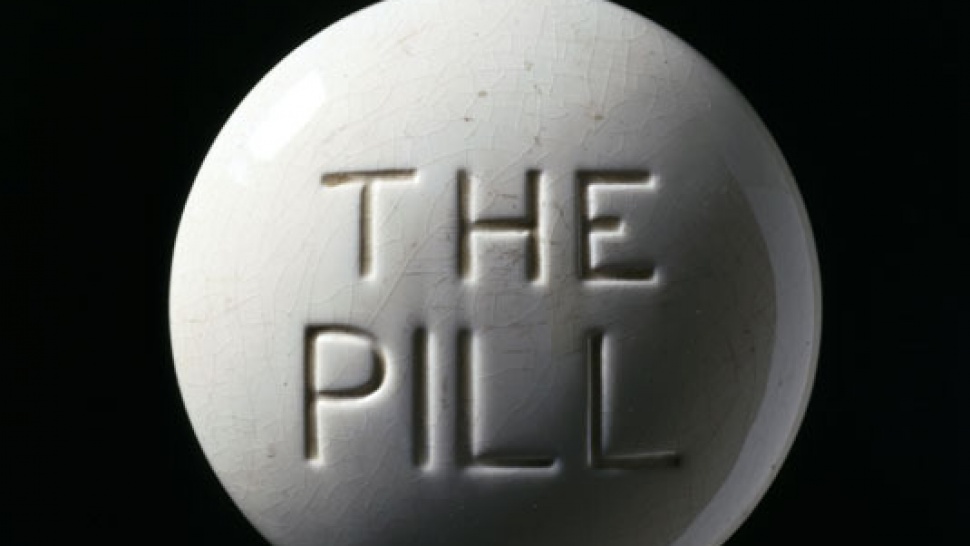

What’s your method of contraception? Most women use the pill – effective and easy.
But the pill is not that simple as it sounds. You’ve got to know a few things about the pill.
1. Mostly used drug in the world is – the PILL
Over 100 million women are on the Pill, sometimes this number goes to 300 million. Girls as young as 12 are prescribed the Pill, not only for contraception, but also for heavy periods, acne, or ‘hormone imbalances.’

2. Industry
That pill that small as it is, it is a product of an industry. Huge one, as much as 2.8 billion each year.
There have been raised a lot of issues about how safe is the pill, is it just business. Side effects? Have you heard any pharmaceutical company talk about side effects?
3. How it works?
The pill keeps you in a constant state of pregnancy. A natural cycle of every woman is a cycle of rising and falling levels of estrogen and progesterone. The pill keeps them at a constant high point. Then your body “thinks” that is already pregnant – that way you can’t get pregnant if you already are. Pretty simple?

4. The pill and the system
The pill makes your liver work even more. The liver must metabolize all the synthetic hormones. That way it affects your ability to absorb vitamins B2, B6, B12, C, riboflavin, thiamine, and folic acid. The list doesn’t end here.
There can be a while before you notice this lack of the previously mentioned nutrients. But by the time you notice them you already have problems like insomnia, anxiety, constipation, cravings, weight gain…

5. What about sex drive?
The Pill suppresses testosterone. Lack of testosterone means lower level of libido and less sex drive.
6. The question of depression
Well it’s a possible side effect. Some research shows that found that the women on the Pill were twice as likely to suffer from depression than the others.
7. What about long term risks?
Studies have found that the hormonal changes the pill produces in our bodies increase risks significantly for many types of cancer. Also a huge issue would be that the pill has been linked to infertility.
Share the News