

Parents, caregivers, and educators often look for simple yet effective activities that can help children practice speech and language skills at home or during therapy sessions. These activities can support vocabulary building, improve pronunciation, strengthen listening skills, and promote meaningful communication.
The Importance of Speech Therapy for Children with Autism
Autism activities for Speech therapy focuses on improving a child’s ability to understand language and communicate effectively with others. For children with autism, communication may include spoken words, gestures, facial expressions, or alternative communication systems.
Early intervention is extremely beneficial. When children participate in speech-focused activities regularly, they can gradually build confidence in expressing their thoughts, needs, and emotions. Engaging activities that involve play, creativity, and interaction often produce the best results because children feel relaxed and motivated to participate.
Using Play-Based Activities to Encourage Speech
Play-based learning is one of the most effective ways to help children with autism practice speech. When children are involved in activities they enjoy, they are more likely to communicate naturally.
Simple role-playing games can help children practice everyday conversations. For example, pretending to run a small store or playing house can encourage children to ask questions, request items, and respond to prompts. These playful scenarios provide opportunities to introduce new words and phrases in a natural setting.
Imaginative play also encourages storytelling and descriptive language. When children describe what their toys are doing or create simple stories, they practice sentence formation and expand their vocabulary.
Picture-Based Communication Activities
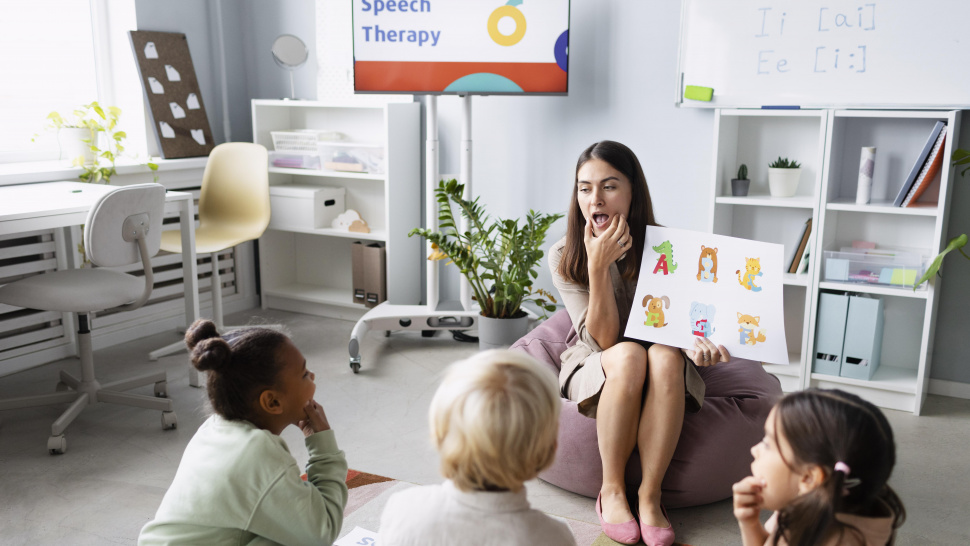
Visual supports are extremely helpful for many children on the autism spectrum. Picture cards, flashcards, and visual charts can help children connect words with objects, actions, or emotions.
Picture matching activities can encourage children to name objects or describe what they see. For example, showing a picture of a dog running or a child eating an apple allows the therapist or parent to ask questions and prompt responses.
These activities can also improve comprehension. Children begin to recognize patterns between images and spoken language, making it easier for them to understand and respond during conversations.
Music and Rhythm for Speech Development
Music can be a powerful tool for speech development. Many children with autism respond well to rhythm, repetition, and melodies. Singing songs together encourages children to practice words and phrases in a fun and relaxed way.
Simple songs with repetitive lyrics can help children remember words and improve pronunciation. Clapping, tapping, or using simple musical instruments while singing can also help children stay engaged and focused.
Music activities also support listening skills and turn-taking, which are essential elements of effective communication.
Storytelling and Interactive Reading
Reading stories together can support language development and help children learn new words. Interactive reading sessions allow caregivers or therapists to ask questions, describe pictures, and encourage children to participate in the story.
Children can be asked to identify characters, repeat simple phrases, or describe what is happening in the pictures. Over time, these interactions help improve comprehension and expressive language.
Storytelling also encourages creativity and imagination, which can strengthen communication skills in a comfortable and enjoyable environment.
Sensory Activities that Promote Communication
Many children with autism benefit from sensory-based activities that stimulate their senses while encouraging interaction. Activities such as playing with textured materials, building with blocks, or exploring sensory bins can naturally create opportunities for communication.
While participating in these activities, adults can model language by describing actions, asking questions, and encouraging children to repeat words or phrases. For example, describing colors, shapes, and movements helps children connect language with their experiences.
Sensory integration therapy for autism activities can also help children feel calm and focused, which improves their ability to participate in speech practice.
Encouraging Daily Communication Opportunities
Speech development does not only happen during therapy sessions. Everyday routines provide many opportunities for communication practice. Mealtime, playtime, and outdoor activities can all be used to encourage children to request items, answer questions, or describe what they are doing.
Consistency and patience are key. Celebrating small communication successes can build confidence and motivate children to continue practicing their skills.
Parents and caregivers play a crucial role by creating a supportive environment where communication is encouraged and valued.
Frequently Asked Questions
What types of activities help children with autism improve speech?
Play-based activities, storytelling, music, picture cards, and sensory play are all helpful in encouraging speech development and improving communication skills.
Can parents practice speech therapy activities at home?
Yes, many speech therapy activities can be practiced at home. Simple games, reading together, and daily conversation practice can support a child’s progress.
How often should speech therapy activities be practiced?
Consistency is important. Short, regular practice sessions each day are often more effective than occasional longer sessions.
Do visual aids help children with autism learn language?
Yes, visual supports such as picture cards and charts can help children connect words with objects and actions, making communication easier to understand.
Conclusion
Helping children with autism develop communication skills requires patience, creativity, and consistent support. Engaging activities that combine play, visual learning, music, and storytelling can make speech therapy both effective and enjoyable. By creating supportive learning environments and encouraging daily communication, families and educators can help children build confidence in expressing themselves.
Programs and supportive learning communities such as Autism Learn & Play aim to provide meaningful experiences that help children with autism explore communication in fun, engaging, and inclusive ways. Through thoughtful activities and compassionate guidance, every child can be supported on their journey toward stronger speech and language skills.
Share the News