

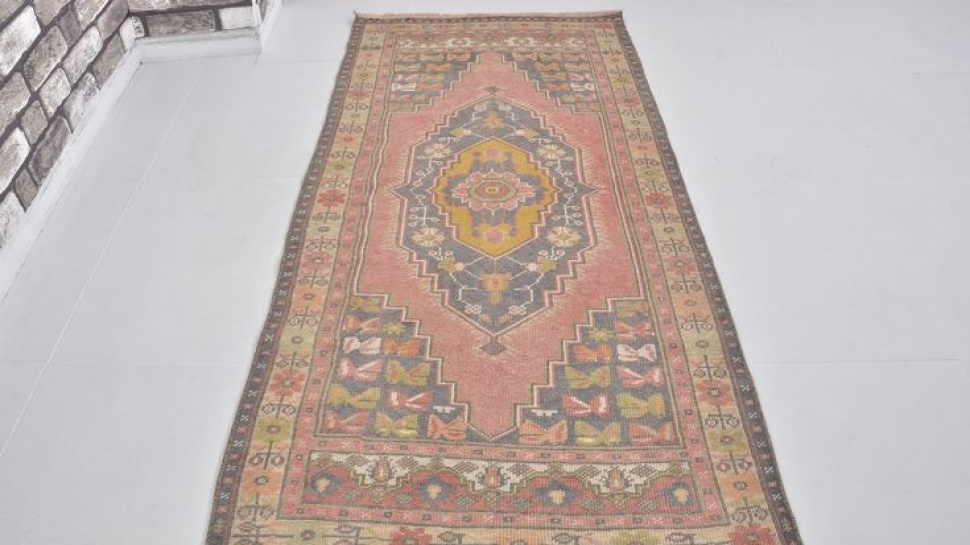

Creating a visually appealing interior is not just about choosing beautiful furniture or trendy wall colors it is about ensuring everything works together harmoniously. Rugs play a central role in tying a room together, acting as a bridge between furniture and wall tones.
When properly selected, a rug can enhance balance, add warmth, and elevate the entire aesthetic of a space. Poor coordination, on the other hand, can make even expensive interiors feel disconnected and cluttered.
Understanding Color Theory in Interior Design
Color theory is the foundation of successful interior styling. It helps in understanding how different shades interact and influence the mood of a space.
Basic principles include:
Complementary colors: Opposite colors that create contrast
Analogous colors: Colors that sit next to each other for harmony
Neutral palettes: Whites, greys, and beiges for balance and flexibility
A well-designed room often follows a structured color balance that ties rugs, furniture, and walls together seamlessly. Many homeowners prefer custom made rugs to achieve perfect color harmony tailored to their interiors, ensuring every design element feels intentional and cohesive.
Choosing the Right Rug as a Foundation Piece
A rug often serves as the visual anchor of a room. It sets the tone for furniture placement and wall color selection.
Key considerations include:
Rug color intensity (bold vs neutral)
Pattern style (minimal, geometric, traditional)
Room function and lighting conditions
The rug should complement not compete with major design elements in the room.
Matching Rugs with Furniture Styles
Furniture style plays a major role in determining the right rug choice. A modern sofa pairs best with clean, minimal rugs, while traditional furniture works well with detailed patterns.
Guidelines:
Modern furniture: Solid or geometric rugs
Classic furniture: Ornate or Persian-style designs
Minimalist interiors: Neutral-toned rugs
Bold furniture: Subtle rug patterns for balance
Coordinating Rugs with Wall Colors
Wall colors influence how rugs appear in a space. A well-coordinated combination creates depth and harmony.
Design strategies include:
Matching warm wall tones with earthy rugs
Pairing cool walls with soft grey or blue rugs
Using contrast to highlight focal areas
Neutral walls with patterned rugs for visual interest
Proper coordination ensures the room feels balanced and not overwhelming.
Using Tailored Rugs for Perfect Design Harmony
Tailored rugs provide flexibility in achieving exact design goals, especially when standard sizes or colors don’t match the space.
Creating a Perfect Color Flow
With custom made rugs, homeowners can align rug shades precisely with furniture upholstery and wall paint, ensuring a seamless visual flow across the room.
Enhancing Spatial Balance
Another benefit of custom made rugs is the ability to adjust size and proportions so that furniture placement feels natural and well-structured.
Creating Balance with Patterns and Textures
Balancing patterns and textures is essential in preventing visual overload.
Tips include:
Pair bold patterns with neutral furniture
Combine textured rugs with smooth furniture finishes
Avoid mixing too many competing patterns
Maintain one dominant visual element in the room
Texture adds depth, while balance ensures harmony.
Room-by-Room Styling Guide
Different rooms require different styling approaches:
Living Room: Rugs should anchor seating areas
Bedroom: Soft tones for calm and relaxation
Dining Room: Durable, easy-to-clean materials
Office Spaces: Simple, professional designs
Each space should maintain functional and aesthetic balance.
Common Mistakes to Avoid
Many homeowners make design mistakes that disrupt harmony:
Choosing rugs too small for furniture layout
Overmatching colors, making the room look flat
Ignoring lighting conditions
Mixing too many bold patterns
Avoiding these mistakes ensures a more polished and professional look.
Expert Tips for Perfect Coordination
To achieve a cohesive interior design:
Start with a focal point (rug, sofa, or wall color)
Follow the 60-30-10 color rule for balance
Always test samples in natural lighting
Keep long-term durability in mind
These strategies help create well-balanced and stylish interiors.
How Tailored Rugs Elevate Interior Design
Custom rugs offer unmatched flexibility and design precision. They allow homeowners to fully control size, color, and pattern to match their interior vision.
Using custom made rugs ensures every design element works in harmony, eliminating mismatches between furniture and wall tones.
Additionally, custom made rugs help achieve a luxurious, designer-level finish by aligning perfectly with spatial layout and décor themes.
Conclusion
Successfully matching rugs with furniture and wall colors requires thoughtful planning and an understanding of design principles. When colors, textures, and proportions are balanced correctly, the result is a cohesive and visually appealing space.
Whether using standard options or investing in custom made rugs, the key is to ensure harmony across all interior elements. A well-coordinated design not only enhances aesthetics but also improves comfort and livability in any home.
Share the News