

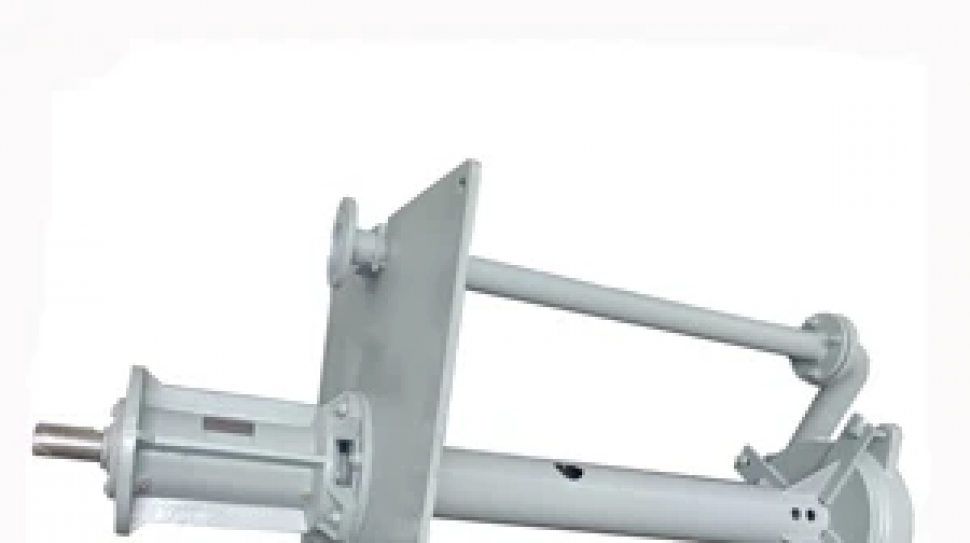

Heavy industrial sumps are the catch basins of the manufacturing world. Steel mills have scale pits filled with hot, oily water and sharp metal flakes. Cement plants have sumps collecting limestone slurry and kiln dust. Chemical plants have containment basins holding everything from polymer beads to caustic solutions. These sumps are not polite. They are hot, dirty, crowded, and often located in spots where no one wants to spend time. The pumps that serve them must be absolute workhorses—able to handle high temperatures, unpredictable solids, and corrosive chemistry while needing as little attention as possible. CNSME PUMP vertical slurry pump have proven themselves across this diverse landscape. Their combination of rugged construction, flexible material options, and space-saving design makes them a natural fit for the toughest industrial sump applications. Let me explore what makes them so effective in these demanding environments.
Surviving High Temperatures in Steel Mill Scale Pits
Steel mills generate enormous amounts of scale—the flaky iron oxide that forms on hot steel during rolling. This scale falls into water-filled pits, where it settles as a heavy, abrasive sludge. The water is hot, often exceeding 160 degrees Fahrenheit. Standard rubber-lined pumps fail quickly in this heat. The rubber softens and peels away from the casing. Mechanical seals overheat and crack. CNSME addresses high-temperature service with several design features. High-chrome white iron wet ends handle the abrasion and tolerate temperatures up to 250 degrees Fahrenheit without losing hardness. The bearing housing can be ordered with a cooling jacket—a water-filled cavity that circulates cool plant water around the bearings. For extreme heat, CNSME offers a high-temperature seal package with silicon carbide faces and fluorocarbon elastomers. Steel mill maintenance teams report that CNSME vertical pumps in scale pit service last three to five times longer than the pumps they replaced. The key is matching the temperature rating to the actual pit conditions. A pump designed for 120-degree service will not survive a 180-degree pit, no matter how well built. CNSME’s application engineers work with mill operators to measure actual temperatures and specify the appropriate heat-resistant options.
Handling Oily and Sticky Slurries in Cement Plants
Cement plant sumps collect a unique slurry. It contains limestone dust, clinker fines, gypsum, and often oil or grease from kiln and mill lubrication systems. This mixture is sticky. It clings to pump internals and dries into a rock-hard crust. Many pumps clog or seize within weeks. CNSME vertical pumps combat stickiness in two ways. First, the rubber-lined option provides a smooth, non-stick surface. Sticky material does not adhere to rubber as readily as it does to metal. Second, the semi-open impeller design has no tight internal crevices where dried slurry can lodge. When the pump is idle, the vertical shaft allows any sticky material to drain back into the sump rather than drying on the shaft. For cement plants with severe sticking problems, CNSME offers an electropolished finish on stainless steel wet ends. This mirror-like surface gives sticky slurry nothing to grab. Plant operators have learned to schedule a brief pump run every few hours during extended shutdowns to keep material from setting up inside the casing. This simple practice, combined with the right wet end material, has extended pump life from months to years in some cement sump applications.
Resisting Chemical Attack in Plating and Finishing Lines
Metal finishing operations produce some of the most corrosive sump slurries in industry. Plating lines use strong acids and alkalis. Anodizing lines use sulfuric acid. Pickling lines use hydrochloric or nitric acid. These chemicals eat standard pump materials alive. High-chrome white iron, excellent for abrasion, dissolves in strong acid. Rubber linings swell and crack. CNSME offers chemically resistant vertical pumps for these applications. The wet end can be cast from CD4MCu duplex stainless steel for moderate acid service or from Hastelloy or titanium for aggressive chemistry. The shaft requires matching alloy. The seal must be specified with chemically compatible elastomers—usually Kalrez or PTFE. For extremely aggressive service, CNSME can supply a pump with a polypropylene or PVDF casing and a titanium shaft. These pumps cost significantly more than standard models, but they last for years in conditions that would destroy a standard pump in weeks. The total cost of ownership for a chemical sump pump is heavily weighted toward reliability. A pump that fails every two months costs more in labor and downtime than a premium pump that runs for five years. Many chemical plants have learned this lesson the hard way.
Operating in Tight Spaces with Overhead Cranes
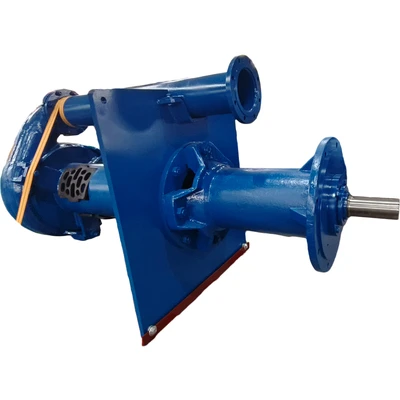
Heavy industrial sumps are often located in areas with limited floor space but excellent overhead clearance. Steel mills, foundries, and heavy fabricating shops typically have bridge cranes running the length of the building. This overhead access is perfect for vertical pumps. A CNSME vertical pump can be lifted straight out of the sump using the existing crane. No side access is needed. No pump room needs to be expanded. The pump can be set on a workbench at a comfortable height for disassembly and repair. Horizontal pumps, in contrast, require side clearance for pulling the rotating assembly. In a crowded industrial bay, that side clearance may not exist. Plant layout engineers are recognizing that vertical pumps allow them to place sumps in otherwise unusable spaces—under pipe racks, between equipment foundations, or in the corners of buildings. The vertical pump’s small footprint and top-removal maintenance turn dead space into productive pumping stations.
Managing Large Solids in Foundry Sand Reclamation
Foundries generate huge volumes of spent sand mixed with water, clay binders, and metal fines. This slurry contains sand grains, chunks of broken cores, and occasional bits of scrap metal. A pump that cannot pass these solids will clog constantly. CNSME vertical pumps for foundry service feature extra-large impeller passages and a specially designed suction cover. The standard rule for CNSME pumps is that they will pass solids up to the diameter of the discharge pipe. A four-inch pump passes a three-inch solid. For foundries with occasional larger chunks, CNSME offers a grinder option—a set of rotating and stationary cutters at the pump inlet that shred oversize material before it reaches the impeller. This grinder is not a shredder; it will not handle steel bars or thick metal. But it will break soft agglomerates and thin scrap. Foundry maintenance teams also appreciate the external clearance adjustment. As the impeller wears on sharp sand, they can restore performance in minutes without pulling the pump. This feature alone saves hours of downtime per month in high-wear foundry applications.
Reducing Maintenance in Hard-to-Reach Pulp and Paper Sumps
Pulp and paper mills have sumps under almost every piece of equipment. Digester blow tanks, screen rooms, and bleach plants all generate slurries of wood fiber, lime mud, and chemical residues. Many of these sumps are located in tight, dark, and wet areas beneath equipment. Getting a pump out for service often requires crawling through mud, working in awkward positions, and rigging lifts in confined spaces. The last thing a paper mill maintenance team wants is a pump that needs frequent attention. CNSME vertical pumps deliver long service intervals in these challenging environments. The cantilever design eliminates the submerged bearing that would fail in wet, dirty conditions. The air purge seal keeps slurry out of the bearing housing. The rubber-lined wet end handles the mild abrasion of wood fiber without wearing quickly. Paper mills report run times of two to three years between major overhauls on CNSME pumps in sump service. When a pump finally does need service, the vertical lift-out design means the crew can pull it without entering the sump pit—a significant safety advantage. For an industry that values both reliability and worker safety, these pumps have become a standard specification for new sump installations.
Share the News