

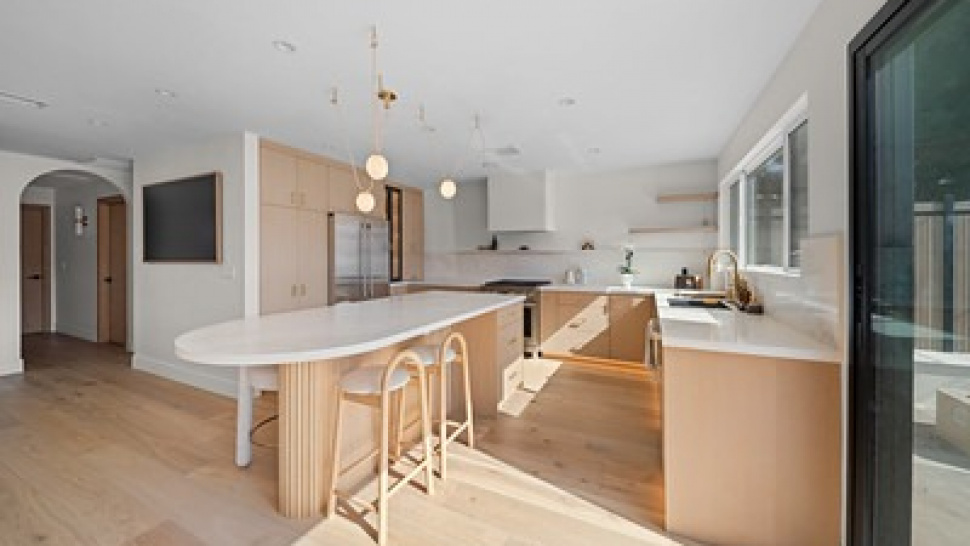

Material selection is one of the most consequential decisions in any kitchen renovation, yet it is often rushed simply because there are so many options to consider. Countertops, cabinetry, flooring, and backsplash materials all need to work together visually while also standing up to the daily demands of cooking, spills, heat, and heavy foot traffic. Teams like Exceptional Home Builders frequently guide homeowners through this decision-making process, since the right materials can mean the difference between a kitchen that looks great for two years and one that still looks great after fifteen. Understanding the strengths and limitations of common kitchen materials will help you make choices that hold up beautifully over time.
Countertop Materials and How They Perform
Countertops are often the first material homeowners focus on, and for good reason, since they set the tone for the entire kitchen. Quartz has become one of the most popular choices because it is engineered to resist staining, scratching, and heat damage while offering a wide range of colors and patterns, including convincing replications of natural stone. Granite remains a strong option for homeowners who want the authentic variation of natural stone, though it does require periodic sealing to maintain its resistance to stains. Marble, while stunning, is more porous and prone to etching from acidic foods, making it better suited to homeowners who appreciate its patina developing over time rather than those who want a surface that looks pristine indefinitely. Butcher blocks and other wood countertops offer warmth and a more organic feel but require regular oiling and careful maintenance around water exposure.
Cabinetry Materials and Long-Term Durability
Cabinetry material affects both the look and the longevity of a kitchen significantly. Solid wood cabinetry tends to be the most durable option, capable of being refinished or repaired over decades of use, though it typically comes at a higher price point. Plywood construction with a quality veneer offers a strong middle ground, providing durability close to solid wood at a more moderate cost. Particleboard or MDF cabinetry, while more budget-friendly, is more susceptible to moisture damage and generally has a shorter lifespan, making it a less ideal choice for areas directly exposed to water, such as beneath the sink. Beyond the core material, the quality of hardware, hinges, and drawer slides plays an enormous role in how cabinetry performs daily, since even high-quality cabinet boxes can feel disappointing with poorly made hardware that loosens or sticks over time.
Flooring That Can Handle Daily Kitchen Life
Flooring choices need to balance aesthetics with practicality, since kitchen floors endure more foot traffic, spills, and dropped items than almost any other room in the house. Porcelain tile remains a favorite for its water resistance and durability, though grout lines require periodic cleaning and resealing to prevent staining. Luxury vinyl plank has grown enormously in popularity due to its water resistance, comfortable underfoot feel, and ability to convincingly mimic the look of hardwood or stone at a more accessible price point. Hardwood flooring offers timeless warmth and can be refinished multiple times over its lifespan, but it requires more careful maintenance around moisture and is generally better suited to kitchens where spills can be addressed quickly rather than households with significant water exposure on the floor.
Backsplash Materials Worth Considering
Backsplash materials tend to receive less attention than countertops or cabinetry, but they play an important role in protecting walls from grease and moisture while contributing significantly to the overall design. Ceramic and porcelain tile remain reliable, affordable choices that come in nearly unlimited colors and patterns. Natural stone backsplashes offer a more luxurious, textured look but require sealing to prevent staining, particularly behind cooking areas where grease splatter is common. Glass tile has become popular for its reflective quality, which can help smaller kitchens feel brighter and more open, though it shows fingerprints and water spots more readily than matte finishes.
How Materials Interact With One Another
Beyond individual material choices, it is worth considering how different materials will interact with one another over time. A kitchen with several high-maintenance materials, such as natural stone countertops paired with unsealed natural stone backsplash and hardwood flooring, may require more ongoing upkeep than a homeowner is prepared to commit to. Balancing one or two statement materials with more low-maintenance choices elsewhere often results in a kitchen that looks intentional and high-end while remaining realistic to maintain on a daily basis.
Matching Materials to Your Household
Climate and household habits should also factor into material decisions. Households with young children or frequent entertaining may benefit from more forgiving, stain-resistant surfaces, while those who cook infrequently or prioritize a specific aesthetic may be comfortable taking on additional maintenance in exchange for a particular look. There is no universally correct answer, only the combination of materials that best fits how your specific household actually lives and cooks.
Getting Expert Guidance Before You Commit
Selecting the right materials ultimately comes down to balancing personal style, daily practicality, and long-term durability. A knowledgeable contractor can walk you through samples in person, explain how different materials will age in your specific lighting and usage conditions, and help you avoid costly mistakes that only become apparent years after installation. If you are in the early stages of planning a renovation and want guidance on which materials will truly serve your kitchen best, consulting with an experienced team such as Exceptional Home Builders can help ensure your choices look as good in ten years as they do on installation day.
Choosing the Right Materials for a Kitchen That Lasts
Keywords:
Share the News