

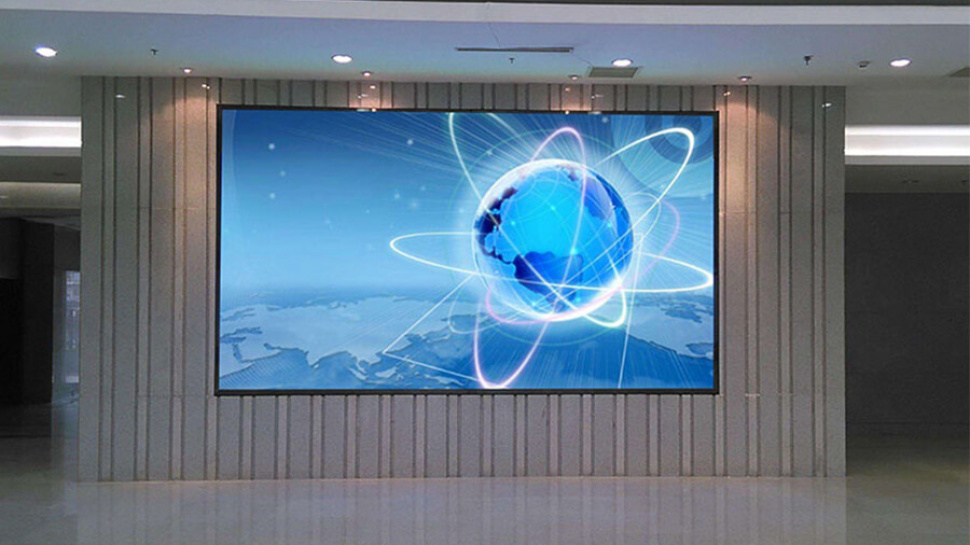

An indoor LED display is one of the most effective digital communication tools for modern businesses. From retail stores and shopping malls to corporate offices, hotels, restaurants, educational institutions, and exhibition centers, indoor LED displays help businesses deliver eye-catching content, improve customer engagement, and strengthen brand visibility.
However, choosing the right indoor LED display requires more than selecting the largest screen or the lowest price. Factors such as screen resolution, pixel pitch, viewing distance, installation location, and content requirements all play an important role in finding the best solution.
This guide explains the key considerations for choosing the right indoor LED display for commercial spaces.
Understand Your Business Requirements
Before purchasing an indoor LED display, determine how it will be used.
Ask yourself:
What type of content will be displayed?
Where will the screen be installed?
How large is the available space?
What is the average viewing distance?
How many hours will the display operate each day?
Defining your requirements helps you select a display that meets both your operational and marketing goals.
Choose the Right Screen Size
The screen size should match your commercial environment.
A display that is too small may not capture attention, while an oversized screen can overwhelm the space and increase costs unnecessarily.
Consider the available wall space, ceiling height, audience size, and viewing distance when selecting the screen dimensions.
Select the Appropriate Pixel Pitch
Pixel pitch is one of the most important specifications for an indoor LED display.
It refers to the distance between individual LED pixels. Smaller pixel pitch provides higher image resolution and sharper visuals, making it ideal for close viewing.
General recommendations include:
Fine pixel pitch for conference rooms and boardrooms
Medium pixel pitch for retail stores and shopping malls
Larger pixel pitch for spacious commercial areas with longer viewing distances
Choosing the correct pixel pitch ensures excellent image clarity and viewing comfort.
Prioritize High Image Quality
Commercial displays often show advertisements, product promotions, presentations, and videos.
Choose an indoor LED display that offers:
High resolution
Accurate color reproduction
Excellent brightness
Wide viewing angles
High refresh rates
Superior image quality creates a more professional appearance and improves audience engagement.
Evaluate Display Brightness
Indoor environments require balanced brightness levels.
A display that is too dim may appear dull, while excessive brightness can make viewing uncomfortable.
Select a screen with brightness suitable for your indoor lighting conditions to ensure clear visibility throughout the day.
Consider Installation Location
Different commercial spaces have different installation requirements.
Indoor LED displays are commonly installed in:
Retail stores
Shopping malls
Corporate offices
Hotel lobbies
Restaurants
Airports
Banks
Universities
Hospitals
Exhibition halls
Reception areas
The installation location influences screen size, mounting method, and viewing angle.
Look for Energy Efficiency
Modern LED technology delivers excellent performance while reducing electricity consumption.
Energy-efficient indoor LED displays help businesses lower operating costs without compromising brightness or image quality. They are especially beneficial for organizations that operate displays for long hours every day.
Choose a Modular Display System
Modular LED displays offer greater flexibility for commercial applications.
They allow businesses to:
Expand screen size in the future
Replace damaged modules individually
Customize display dimensions
Create seamless LED video walls
Modular systems reduce maintenance costs and support future business growth.
Select an Easy-to-Use Content Management System
Managing digital content should be simple and efficient.
Choose an indoor LED display with software that allows you to:
Schedule advertisements
Update content remotely
Display videos and images
Manage multiple displays
Monitor system performance
A user-friendly content management system saves time and improves marketing flexibility.
Work with an Experienced Supplier
A reliable supplier can make a significant difference in the success of your project.
Look for a provider that offers:
Professional consultation
Site assessment
Product recommendations
Installation services
Technical support
Maintenance programs
Comprehensive warranty
An experienced supplier ensures your indoor LED display performs reliably for years.
Common Mistakes to Avoid
Many businesses make avoidable purchasing mistakes.
Common errors include:
Choosing based only on price
Ignoring pixel pitch
Buying an oversized or undersized display
Overlooking installation requirements
Selecting low-quality products
Ignoring warranty and after-sales support
Careful planning helps avoid unnecessary expenses and ensures long-term satisfaction.
Latest Indoor LED Display Trends in 2026
Indoor LED display technology continues to evolve with innovative features.
Some of the latest trends include:
Ultra-fine pixel pitch displays
AI-powered content management
Interactive touch-enabled displays
Seamless LED video walls
Cloud-based display management
Energy-efficient LED technology
Smart remote monitoring
High dynamic range (HDR) displays
These technologies improve visual quality, simplify content management, and provide greater flexibility for commercial users.
Benefits of Investing in an Indoor LED Display
Businesses that invest in high-quality indoor LED displays enjoy several long-term advantages:
Enhanced brand visibility
Better customer engagement
Professional business presentation
Flexible digital advertising
Instant content updates
Lower long-term marketing costs
Excellent return on investment
Improved customer experience
These benefits make indoor LED displays a valuable addition to almost any commercial environment.
Conclusion
Choosing the right indoor LED display for your commercial space requires careful evaluation of your business needs, installation environment, screen size, pixel pitch, image quality, and supplier expertise. A well-selected display not only improves communication but also enhances customer engagement, strengthens brand visibility, and supports more effective digital marketing.
Whether you operate a retail store, shopping mall, corporate office, hotel, restaurant, or exhibition venue, investing in a high-quality indoor LED display is a smart long-term decision. By focusing on performance, durability, energy efficiency, and professional support, you can create an engaging visual experience that helps your business stand out and grow.


Share the News