

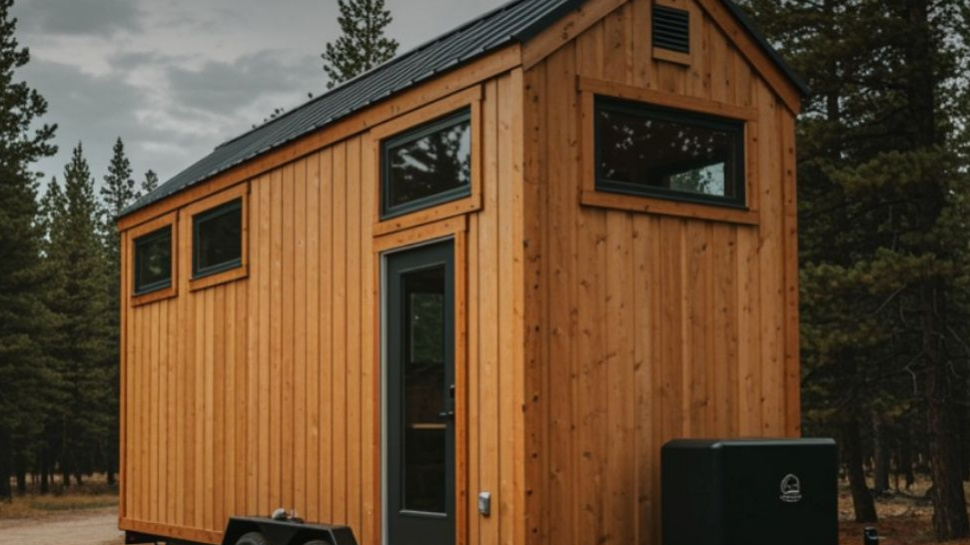

Everybody wants to jump straight to the fun part, picking finishes, browsing photos of a tiny house for sale that caught their eye on some builder's website, imagining themselves sipping coffee in a loft bed. I get it, that's the exciting stuff. But before any of that happens, you need to sit down with the tiny house experts you're considering and actually grill them a little. Not in a hostile way, just thorough. The questions you ask before signing anything will save you more headaches than almost anything else in this whole process. So here's ten questions, grouped into a handful of real conversations, that'll tell you fast whether you're talking to someone who genuinely knows this industry or someone just riding the trend.
Ask About Their Experience With Local Codes and Legal Status
Start here, always. Ask them straight up, how many builds have you completed that are legally recognized as permanent residences, not just recreational units? And follow that up with, do you know the zoning requirements for the county where I'm planning to place this thing? A real expert will answer both without stumbling. They'll know the difference between a tiny house on wheels classified as an RV and one that's permanently affixed and hooked to utilities, because that distinction changes everything legally. If they get vague or start talking around the question, that's worth noting. This is the foundation everything else builds on, pun sort of intended, and it's not something you want to discover gaps in halfway through construction.
Ask How They Handle Site Evaluation Before Design Begins
A good builder doesn't hand you a catalog and say pick one. They ask about your land first, the slope, the soil, access for utilities, how far you are from the nearest inspector's office honestly. Ask them directly, will you visit my site before finalizing plans, or are we working off photos and guesses? Site conditions in Colorado vary wildly, mountain lots are a completely different animal than a flat parcel out on the eastern plains. Tiny house experts who skip this step are setting you up for surprises down the road, foundation problems, drainage issues, utility runs that cost way more than expected. This question alone tends to separate the careful builders from the ones just trying to close a sale quickly.
Ask What's Actually Included in the Price
This one trips up so many buyers, and I mean constantly. A quoted price on a tiny house for sale or a custom build can look great until you realize appliances weren't included, or the foundation work is billed separately, or permitting fees are somehow your problem entirely. Ask flat out, what's not included in this number? Get it in writing, don't just take a verbal answer at a kitchen table meeting. The builders worth working with will walk you through this without hedging, because they're used to being asked and they've got nothing to hide. If someone gets defensive about a pricing breakdown, take that as information.
Ask About Timeline and What Could Realistically Delay It
Every build has the potential to run long, permitting backlogs, weather, material shortages, it happens. What you want to know is whether your expert is honest about that reality or whether they're just telling you what sounds good to close the deal. Ask them, what's caused delays on past projects, and how did you handle it? A builder who's been doing this a while will have a real answer, probably a story even, not just a shrug. This question also tells you something about communication style, because the way someone talks about past problems usually predicts how they'll handle yours.
Ask to See Completed Projects, Not Just Renderings
Anybody can make a 3D rendering look incredible. What you actually want is to see, or better yet walk through, a finished home this builder completed at least a year or two ago. Ask if you can talk to that owner directly. This is one of those places where tiny house experts with real experience will happily connect you, because they're proud of the work and confident it's held up. If a builder only has fresh renderings and no track record you can verify independently, that's a flag worth paying attention to, especially for something as significant as where you're going to live.
Ask How They Approach Insulation and Climate Considerations
Colorado winters aren't gentle, especially at elevation, and a tiny house's small footprint doesn't mean small heating bills if the insulation's wrong. Ask specifically what insulation materials and R-values they use, and how they've adapted builds for mountain versus plains climates. This is a technical question, sure, but the answer tells you a lot about whether you're dealing with someone who thinks past the aesthetics. I've heard from more than one tiny home owner who loved their space in July and regretted it deeply come January because nobody planned for the cold properly.
Ask About Off-Grid Capability and Utility Options
If independence from the grid matters to you, and for a lot of tiny house buyers it genuinely does, ask directly whether the builder has experience with solar setups, composting toilets, rainwater systems, and whether those options are even legal where you're planning to build. Not every county allows a fully off-grid legal residence, so this question ties back to the very first one about local codes. A builder who understands both the technical side and the legal side of off-grid living is worth a lot more than one who just checks a box on a features list without really understanding what's involved.
Ask What Happens After the Build Is Finished
Last question, and it's an easy one to forget in the excitement of planning. What kind of warranty or support do you offer once construction wraps up? Things settle, seals shift, small issues pop up in year one that wouldn't show up in a walkthrough. Tiny house experts who stand behind their work will have a clear answer here, some kind of follow-up plan, not just a handshake and a goodbye. This question, more than almost any other, tells you whether you're buying from a business built for the long haul or one that's mostly focused on the sale itself.


Share the News