

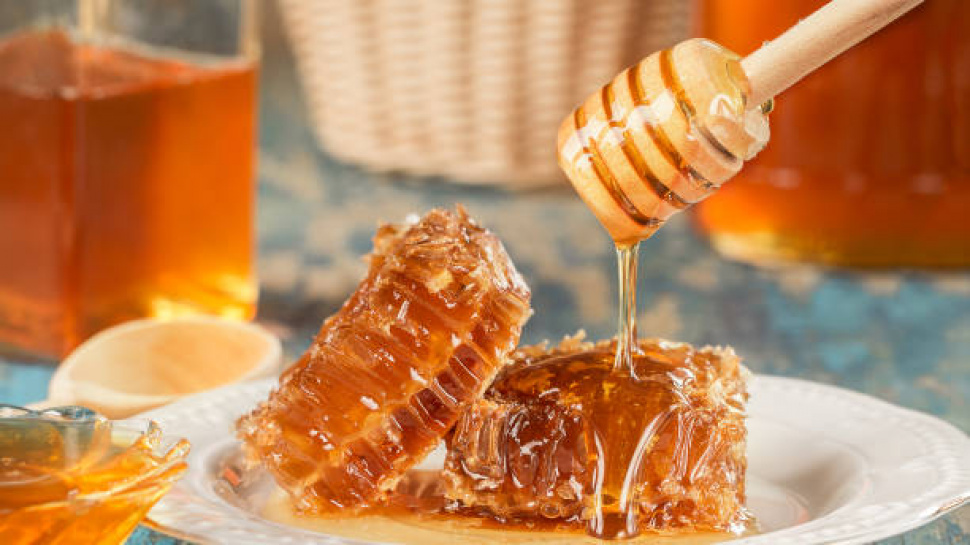

Saturday morning, Montgomery County market, there's a guy who sells honey out of the tailgate of an old F-150. Ask him which jar's from bluebonnet season and he doesn't check a label. He just knows. Points at the darker one, says that's the fall run, mesquite mostly. That kind of specificity — that's the difference between real local honey in Texas and the plastic bear on a grocery shelf that's been blended from four countries and filtered until it's basically flavored corn syrup with better PR.
Nobody thinks much about honey. It's sweet, it goes in tea, end of story. Except Texas happens to be a strange and genuinely good place for bees. Gulf Coast humidity down south. Hill Country wildflowers dead center. Piney woods out east. Three different worlds, sometimes a hundred miles apart, producing honey that tastes nothing alike. That's not a marketing angle. That's just geography doing its thing.
Why "Local" Isn't Just a Sticker on the Jar
Bees forage. They don't manufacture. Whatever's blooming in a two, three mile radius of the hive — that's what shows up in the jar, full stop. A beekeeper working Waller County in April ends up with honey that tastes like whatever exploded that spring. Clover. Huisache. Maybe a citrus edge if there's an orchard nearby. Drag that same hive forty miles north and suddenly it tastes like a different product entirely.
Commercial honey doesn't work that way. It's pooled from operations spread across continents, heat-treated so it won't crystallize, and — this part surprises people — often stripped of pollen. There was an investigation into this a few years back. Found a lot of grocery store honey barely qualifies as honey anymore, technically speaking. Tastes fine. Tastes like nothing, really, once you've had the real thing next to it.
Ever notice raw honey gets a little grainy after a few months? Almost buttery. That's crystallization, and it's a good sign, not a flaw. Means nobody cooked the character out of it.
The Allergy Claim — Complicated
People say local honey fixes seasonal allergies. Repeat it enough times, it starts sounding like fact. It isn't, not really — not in any strong clinical sense. Bees mostly collect pollen from flowers, and the stuff that wrecks your sinuses each spring is wind-borne pollen from trees and grasses, different category entirely. So the science doesn't quite back the folklore.
Still. Plenty of longtime Texans take a spoonful during oak pollen season and swear it helps. Maybe placebo. Maybe there's some overlap researchers haven't fully mapped. Hard to argue with someone who's been doing it since the Reagan administration and says it works. Low risk either way, and it tastes better than a Claritin.
Small Operations, Real Stakes
Buying direct — farmers market, roadside stand, small farm shop — keeps cash inside an agricultural chain that's more fragile than people realize. Colony collapse isn't some abstract headline anymore. Beekeepers here have lost 30, sometimes 40 percent of hives in a bad winter. Every jar sold at a fair price is one less operation getting squeezed out by cheap imported honey undercutting the market.
There's a bigger ripple too, one that doesn't get talked about enough. Pecan orchards. Wildflower fields. Backyard tomato patches across the state. All of it leans on pollinators these small apiaries help keep alive. Quiet work. Not exactly headline material, but it matters more than most people give it credit for.
Where Honey Meets the Rest of the Local Food Chain
Walk any row of vendors at these markets and honey rarely stands alone. Next stall over, someone's selling raw milk or farm eggs — sometimes tied to small dairy farms in Houston Texas running on the same know-your-farmer logic. It's a whole quiet ecosystem of people trying to shortcut the industrial food system, and honey tends to be the entry point. Cheap enough to try once, distinctive enough to make people come back.
None of this is some grand statement. Buying local honey in Texas is a small, repeatable choice, nothing more dramatic than that. But small choices add up — for the bees, for the land, and for anyone who's tired of honey that tastes like absolutely nothing.


Share the News