

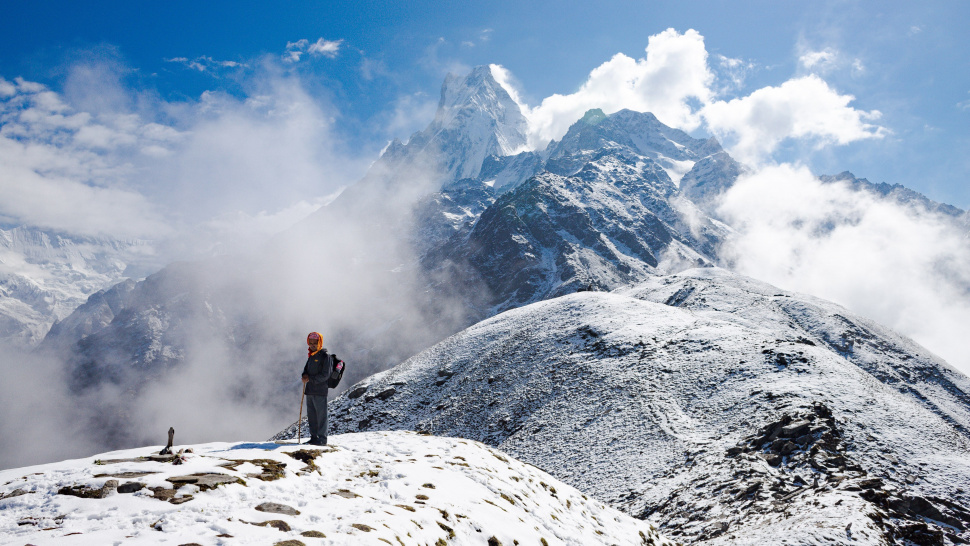

Cold mountain air, snowy peaks, and quiet trails make the Mardi Himal trek a special Himalayan adventure. But as you climb higher, the temperature drops. Knowing how cold it can get helps you pack the right clothes and enjoy the trek with comfort. From warm afternoons in the lower villages to freezing nights near High Camp, each part of the journey brings a different experience.
What Makes Mardi Himal So Cold?
Mardi Himal Trek reaches about 4,500 meters at Mardi Himal Base Camp. The higher you go, the colder the weather becomes. Wind can also make the temperature feel much lower, especially around High Camp and Base Camp. Clear nights can be very cold, while sunny days may feel warmer.
The weather can change quickly in the mountains. A sunny morning may become cloudy or windy in a short time. This is why trekkers should always carry warm layers, even when the lower parts of the trail feel comfortable.
Temperature at Different Heights
The temperature depends on the season and altitude. At lower places such as Kande, Forest Camp, and Low Camp, daytime weather can feel cool and pleasant. At High Camp, temperatures can drop below freezing at night during colder months.
In spring and autumn, daytime temperatures at higher camps are often comfortable when the sun is out. However, early mornings and nights can be very cold. Winter brings much colder conditions, with snow and freezing temperatures possible at higher elevations. Summer is warmer but can bring rain, clouds, and wet trails.
Which Season Is Best for Cold Weather?
Spring and autumn are popular seasons for the Mardi Himal Trek. March to May usually brings mild days and cold nights, along with beautiful mountain views. September to November also offers clear skies and pleasant trekking conditions, although mornings and nights remain chilly at higher elevations.
Winter can be much colder. Snow may cover parts of the trail, and temperatures can fall well below freezing at night. Summer is less cold but brings monsoon rain, slippery paths, and cloudy mountain views. Choosing the right season can make the trek much easier and more enjoyable.
What Should You Pack for the Cold?
Good clothing is important for staying warm on the Mardi Himal Trek. Pack clothes that you can wear in layers. A warm base layer, fleece jacket, down jacket, and waterproof outer layer are useful. You should also bring warm gloves, woolen socks, a hat, and a scarf or neck warmer.
A good sleeping bag is also important for cold nights. Comfortable trekking boots with good grip can help on rocky or snowy trails. Sunglasses and sunscreen are useful too because strong mountain sunlight can be intense, even when the air feels cold.
Enjoy the Cold and the Views
The cold is part of the adventure. When you reach higher points on the trail, you are rewarded with amazing views of Mardi Himal, Machhapuchhre, Annapurna South, and Hiunchuli. Watching the sunrise over these snowy peaks can make the cold morning feel completely worth it.
Take your time, drink enough water, dress in layers, and listen to your body. Proper rest and gradual walking can help you adjust to the increasing altitude.
Trek with Nepal Social Treks and Expedition
Nepal Social Treks and Expedition provides services to help travelers enjoy the Mardi Himal Trek safely and comfortably. The company can arrange experienced trekking guides, porters, permits, transportation, accommodation, meals, and well-planned trekking itineraries.
The team can also provide useful guidance about weather, clothing, altitude, and daily walking plans. With local knowledge and friendly support, trekkers can focus on enjoying the peaceful trails, local villages, and stunning Himalayan scenery.
Be Ready for the Mountain Cold
Mardi Himal can be cold, especially at higher elevations and during the night. But with the right clothing, good preparation, and proper planning, the cold does not have to stop you. Prepare well, walk at your own pace, and get ready for a beautiful journey through one of Nepal’s most scenic mountain regions.



Share the News