

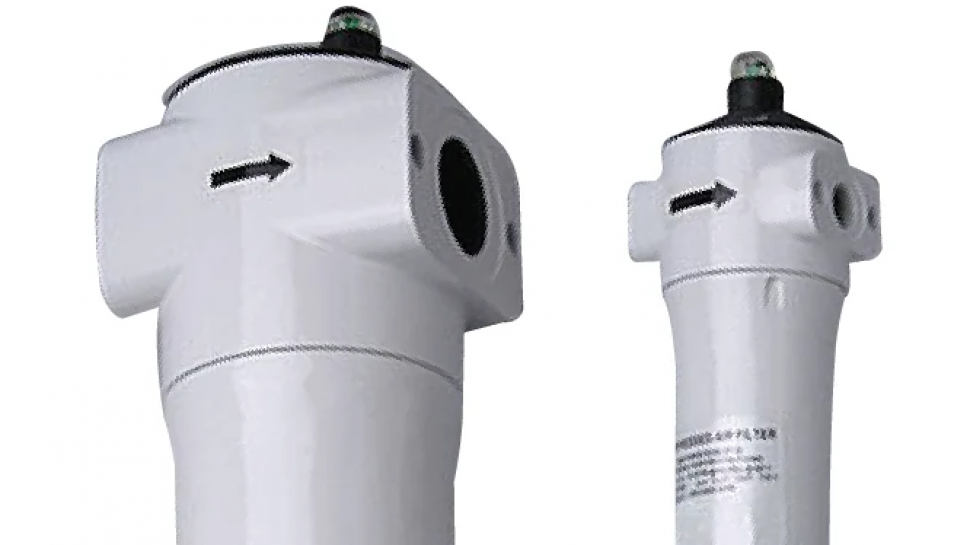

If you're running a reverse osmosis system and watching membranes fail faster than they should, the answer is probably sitting upstream, not in the membrane itself. A high flow filter installed ahead of RO membranes catches sediment, scaling particles, and organic fouling agents before they ever reach that expensive membrane surface. It's one of those upgrades that seems small on paper but ends up being the difference between replacing membranes every year versus every three or four. Let's get into why that connection actually works the way it does.
What Actually Kills RO Membranes Early
RO membranes fail for a handful of predictable reasons, and almost all of them trace back to what's hitting the membrane surface before it should. Fouling from particulate matter clogs pores physically, scaling from dissolved minerals builds up chemically over time, and biological growth, bacteria and biofilm basically, colonizes surfaces membranes were never meant to host. None of this happens overnight usually, it's gradual, which is exactly why so many facilities don't notice until flux rates have already dropped and pressure requirements have crept up noticeably higher than when the system was new.
Where A High Flow Filter Actually Helps
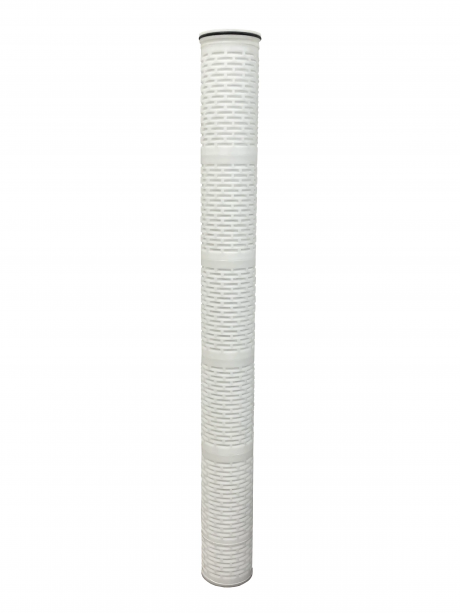
Installing a high flow filter ahead of the RO stage intercepts a lot of that damage before it ever reaches the membrane. Sediment, rust particles, and larger suspended solids get caught in the filter media instead of accumulating on membrane surfaces where removal is way more difficult and expensive. This reduces the physical fouling load significantly, which in turn means membranes run at design flux longer without needing aggressive cleaning cycles that themselves shorten membrane lifespan over repeated exposure. It's essentially buying the membrane time by handling the dirty work somewhere cheaper and easier to maintain.
Micron Rating Actually Matters Here
Not every high flow filter setup delivers the same protection, and mesh or micron rating makes a real difference in outcomes. Too coarse a rating and fine particulate still slips through to the membrane, defeating a lot of the purpose. Too fine and you're dealing with rapid filter loading, frequent cartridge changes, and pressure drop issues that create their own maintenance headache. Most RO pretreatment setups land somewhere around 5 micron for general sediment removal, though some facilities with heavier fouling concerns go finer depending on feed water quality and what's actually showing up in lab analysis.
Chemical Scaling Still Needs Separate Treatment
Here's where people sometimes get the wrong idea, a high flow filter handles physical particulate really well but it's not doing much against dissolved mineral scaling on its own. Calcium carbonate, silica, and similar scale-forming compounds pass right through mechanical filtration since they're dissolved, not suspended. Antiscalant dosing or water softening still needs to happen separately to address that side of membrane fouling. Filtration and scale control work as complementary steps, not substitutes for each other, and facilities that skip antiscalant treatment assuming filtration alone covers everything usually end up disappointed with membrane longevity anyway.
Biological Fouling Requires Its Own Approach Too
Similar story with biological growth, high flow filtration reduces some organic load but doesn't sterilize water or prevent bacterial colonization on its own. UV treatment, chlorination followed by dechlorination before the membrane, or periodic biocide dosing usually handles that side of things. Combining mechanical filtration with a biological control strategy protects membranes far more comprehensively than filtration alone ever could. Facilities running into recurring biofouling issues despite good filtration upstream usually find the missing piece is biological control, not filtration capacity or micron rating needing adjustment.
How Coolant Recycling System Setups Compare
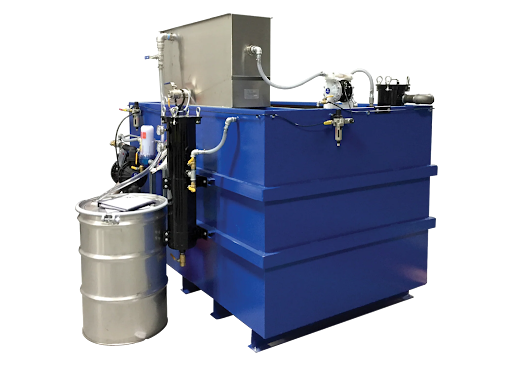
Industrial facilities running a coolant recycling system alongside water treatment often see similar principles apply, just with dirtier, more complicated fluid. Coolant carries metal fines, tramp oil, and bacterial contamination that stresses filtration harder than typical feed water would. A high flow filter positioned ahead of any downstream membrane or fine filtration stage in a coolant recycling system setup protects that equipment the same way pretreatment protects RO membranes, catching heavy contaminant load before it reaches components designed for finer, more delicate filtration work further downstream in the process.
Pressure Drop As An Early Warning Sign
Monitoring differential pressure across your high flow filter tells you a lot about upstream water conditions and whether your RO membrane is actually getting the protection it needs. Rising pressure drop indicates the filter's loading up, which is normal to a point, but tracking that trend over time reveals whether feed water quality is degrading seasonally or something upstream changed. Facilities that track this data proactively catch problems before membranes start showing reduced flux or increased salt passage, both classic signs that pretreatment isn't keeping pace with what's actually coming into the system.
Replacement Frequency Comparison Worth Knowing
RO membranes typically last three to five years under good conditions with proper pretreatment in place. Without adequate high flow filter protection ahead of the membrane stage, that lifespan can drop to one or two years, sometimes less in facilities with particularly aggressive feed water. Cartridge filters themselves need replacement far more often, usually every one to six months depending on loading, but that cost is dramatically lower than premature membrane replacement. Doing the math, spending more on frequent cartridge changes almost always beats the cost of replacing membranes twice as often.
Making The Business Case For Upgrading Pretreatment
Facilities hesitant to invest in better pretreatment often focus on upfront cost without factoring in what premature membrane failure actually costs over time. Membrane replacement isn't cheap, and neither is the downtime associated with swapping them out on an emergency basis rather than a planned schedule. Calculating total cost of ownership, including membrane replacement frequency, cleaning chemical usage, and energy costs from operating a fouled system, usually makes the case for upgrading high flow filter capacity pretty obvious once someone actually runs the numbers instead of just eyeballing sticker price.
Conclusion
At the end of the day, a high flow filter genuinely does extend RO membrane life, but only as part of a broader pretreatment strategy that also addresses scaling and biological fouling separately. Filtration alone isn't a silver bullet, but skipping it practically guarantees shorter membrane lifespan and higher long-term costs regardless of what other treatment steps are in place. Whether you're protecting an RO system or a coolant recycling system downstream, getting pretreatment right upfront saves real money and headaches that show up months or years later when equipment starts failing ahead of schedule.
FAQ
1. Can a high flow filter completely prevent RO membrane fouling? No, it significantly reduces physical particulate fouling but doesn't address dissolved mineral scaling or biological growth, both of which need separate treatment approaches.
2. What micron rating works best for RO pretreatment filtration? Most setups use around 5 micron for general sediment removal, though feed water quality and fouling history sometimes call for a finer rating.
3. Does a coolant recycling system need similar filtration to RO systems? Yes, high flow filtration protects downstream components in both setups by catching heavy contaminant load before it reaches more sensitive filtration or membrane stages.
4. How much longer do RO membranes last with proper pretreatment? Membranes typically last three to five years with good pretreatment in place, compared to one to two years or less without adequate high flow filter protection upstream.



Share the News