

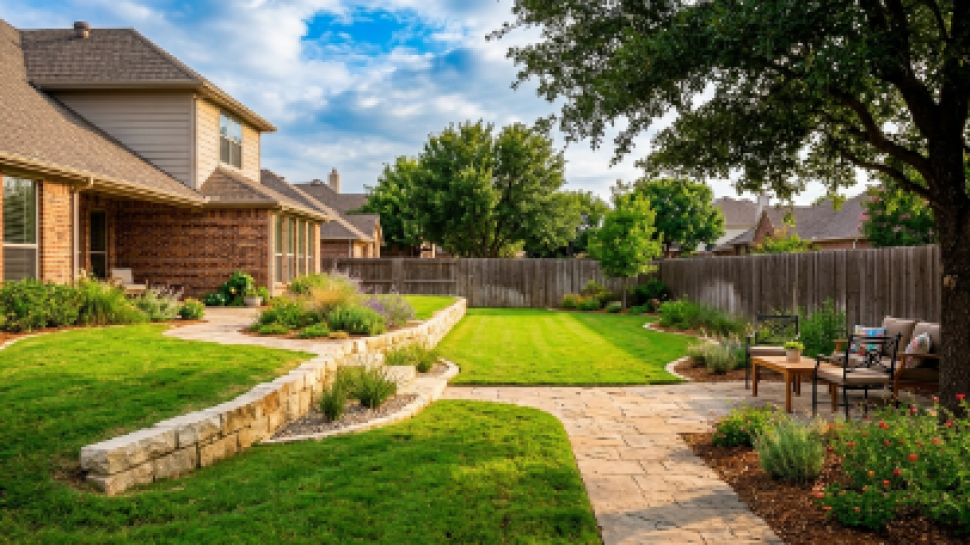

Not every part of a residential yard is easy to use. Sloped sections, narrow side yards, shaded corners, poor drainage areas, and awkward spaces around existing features can leave homeowners wondering what to do with them. Ignoring these areas may be simple, but it often means giving up useful outdoor space.
A better solution starts with understanding why a particular area is difficult and then finding a design that works with the property's existing conditions. The right combination of grading, lawn care, planting areas, walkways, and outdoor features can turn overlooked sections into purposeful parts of the yard. This is where landscapers arlington tx can bring practical knowledge to a residential outdoor project.
Start by Understanding the Problem Area
Before changing an awkward section, homeowners should spend some time observing it. A space that looks unattractive may have a practical reason behind its condition.
For example, water may collect there after rain because the ground slopes toward the house. Another area may receive very little sunlight because of mature trees or the position of the building. A narrow strip beside a garage may be difficult to mow but could work well as a walkway or planting border.
The first step is therefore not choosing materials. It is identifying what is making the space difficult to maintain or enjoy.
A basic assessment should consider:
Sunlight throughout different parts of the day
How rainwater moves across the property
Existing soil and grass conditions
Foot traffic and access requirements
Features that need to remain in place
This simple evaluation can prevent homeowners from investing in improvements that later create new maintenance problems.
Give Awkward Corners a Clear Purpose
A corner does not need to become a major garden feature to become useful. Sometimes the most effective change is simply giving an unused area a defined function.
A small section near a patio might become a seating area. A narrow strip along a fence could provide a transition between the lawn and the property boundary. A difficult-to-mow corner may be better suited to a defined bed with appropriate groundcover or other low-maintenance features.
The important point is that the purpose should come before the decoration. When homeowners know how they want to use the area, decisions about materials and layout become much easier.
Working With Sloped Areas
Slopes can be among the more challenging parts of a yard. Mowing can become uncomfortable, rainwater may move quickly downhill, and soil can gradually shift or erode.
That does not mean every slope needs to be flattened. In many cases, the existing grade can be incorporated into the design.
Creating Stability Without Fighting the Terrain
Depending on the property, useful solutions may include defined planting areas, retaining features, steps, pathways, or carefully managed turf sections. The right choice depends on the severity of the slope and how water behaves during rainfall.
A steep section that is rarely used may not need to become a lawn at all. Turning it into a planted area can reduce mowing requirements while making the space visually connected to the rest of the property.
Good landscap design considers how people move through the yard as well as how the ground naturally behaves. Instead of forcing every area into the same format, different zones can serve different purposes.
Making Narrow Side Yards More Useful
Side yards are frequently overlooked because they are narrow and can be difficult to access. Yet these spaces can provide important connections between the front and rear portions of a property.
A simple pathway can make a side yard much more functional. Depending on its width, it might also accommodate storage, utility access, drainage solutions, or a slim planting border.
When designing such a space, homeowners should avoid filling every available inch. Keeping enough room for maintenance access and movement is often more valuable than adding another decorative element.
Materials should also be selected with the home's existing style in mind. A walkway that looks disconnected from the front entrance or backyard can make the property feel less cohesive.
Dealing With Shaded Sections
Grass does not perform equally well in every part of a yard. Areas beneath mature trees or alongside buildings may receive limited sunlight, creating conditions that differ significantly from open sections of the property.
Trying to make every shaded area look exactly like a sunny lawn can lead to repeated frustration. Instead, homeowners can consider whether the area is better suited to a different treatment.
Possible approaches include:
Reducing the size of turf in heavily shaded locations
Creating a defined seating or resting area
Using suitable shade-tolerant landscape plants
Improving the visual transition between lawn and trees
The best solution depends on local growing conditions and the amount of available light. A site-specific approach is generally more useful than treating the entire property as if it had identical conditions.
When Drainage Creates the Problem
Some of the most difficult yard areas are difficult because water consistently ends up there. Standing water can damage turf, create muddy conditions, and make certain parts of the property unpleasant to use.
Before adding decorative features, homeowners should determine where the water comes from and where it needs to go.
Potential causes include:
Improper grading
Downspouts releasing water into one location
Compacted soil
Low areas within the lawn
Poorly planned drainage routes
Correcting the underlying issue is more effective than repeatedly repairing damaged grass. In some properties, grading changes may be appropriate. In others, drainage channels or other water-management measures may provide a better solution.
Rethinking the Lawn Around High-Traffic Areas
A large uninterrupted lawn can look appealing, but it is not always the best arrangement for an active household. Children, pets, guests, and outdoor furniture can create repeated traffic patterns that gradually wear down certain sections.
This is where the relationship between lawn maintenance and outdoor layout becomes important.
If a particular route is constantly used, a dedicated walkway or hard surface may protect nearby turf. Similarly, a small outdoor sitting area can prevent furniture from repeatedly damaging grass.
Regular lawn mowing is still important, but mowing alone cannot solve wear caused by constant traffic. Changing the way the space is organized may reduce the pressure placed on the lawn.
Choosing Between Existing Turf and New Sod
Not every difficult lawn section needs to be replaced. If the existing grass is healthy but poorly arranged, changing the surrounding layout may be enough.
However, severely damaged or bare areas may require a more substantial solution. Sod installation can establish a new lawn surface quickly, but it should not be treated as a shortcut around preparation.
The ground underneath new sod matters. Poor grading, compacted soil, drainage problems, or unsuitable preparation can affect the new turf after installation.
Prepare Before the New Lawn Arrives
Before replacing a damaged section, homeowners should consider:
Whether the location receives enough sunlight.
Whether water drains properly.
Whether the existing soil needs improvement.
How the area will be used after installation.
How the new turf will connect with surrounding lawn areas.
This preparation can make the finished result more consistent and reduce the chance of repeating the same lawn problems.
Connecting Different Outdoor Zones
A functional yard usually contains more than one type of space. There may be a lawn, patio, garden area, walkway, driveway, and private corner, all serving different purposes.
The challenge is making these areas feel connected rather than randomly placed.
A coherent landscap design can use consistent materials, clear borders, repeating visual elements, and sensible transitions between zones. A walkway might lead naturally from the patio toward the side yard, while a planting bed can soften the boundary between hard surfaces and turf.
The result does not need to be elaborate. Often, a few well-defined areas create more visual order than many disconnected features.
Maintenance Should Influence the Design
One common mistake is designing an outdoor space without considering how it will be maintained later. A feature may look impressive when newly installed but become inconvenient if it creates difficult mowing patterns or requires frequent upkeep.
Before approving a change, homeowners should think about the maintenance involved.
Ask whether the finished space will require:
Frequent trimming around edges
Specialized irrigation
Regular cleaning
Seasonal pruning
Additional access for equipment
A design that looks good and remains manageable is generally more practical for everyday residential life.
Professional Help Can Make Complex Areas Easier to Solve
Some yard problems are straightforward, while others involve several factors at once. A slope may also have drainage concerns, or a shaded area may also be difficult to access with standard equipment.
Professional services can help homeowners evaluate these relationships before work begins. The Grounds Guys of Arlington can assist with lawn and landscape projects where consistent maintenance or larger outdoor improvements require organized planning. The value of professional input is particularly relevant when the homeowner wants a solution that works with existing site conditions rather than simply covering up an unattractive area.
The goal should remain practical: improve the property while keeping future care realistic.
Common Design Mistakes to Avoid
An awkward yard can tempt homeowners into making changes too quickly. Filling an empty space with features may make it look finished temporarily, but it does not necessarily make the area more useful.
A few mistakes deserve particular attention:
Ignoring drainage before installing new landscape features
Making pathways too narrow for practical use
Installing turf where sunlight is insufficient
Adding too many separate materials
Designing without considering future maintenance
Another common problem is treating every section of the property in exactly the same way. Different conditions often call for different solutions.
Think About How the Yard Will Be Used Years From Now
Outdoor improvements should not only solve today's problem. A yard may need to accommodate changing household routines, new outdoor furniture, aging trees, or different patterns of use.
A flexible design can make future changes easier. For example, leaving sensible access around trees and utilities can prevent major disruptions later. Likewise, defining outdoor zones without permanently overbuilding them gives homeowners more freedom to adapt the property.
Long-term thinking also applies to lawn care. A newly improved area still needs regular attention once the installation work is complete.
Keeping the Finished Areas in Good Condition
Once an awkward space becomes functional, maintenance becomes the key to preserving the improvement. Grass should be cut according to its growth and seasonal conditions rather than simply because a certain day has arrived.
Routine lawn mowing helps maintain a clean appearance, but other tasks may include checking irrigation, clearing pathways, monitoring drainage, and addressing damaged areas.
Small maintenance issues are easier to manage when they are noticed early. A blocked drainage route, broken irrigation component, or thinning lawn can become significantly harder to deal with if ignored for an entire season.
A Better Way to Look at Difficult Yard Spaces
An awkward section of a property is not automatically wasted space. It may simply need a different purpose.
A narrow passage can become a useful connection. A shaded corner can become a quiet outdoor zone. A slope can be stabilized and incorporated into the landscape. A damaged lawn can be redesigned instead of repeatedly repaired.
The most effective solutions begin by understanding the site's limitations rather than trying to hide them.
Conclusion
Turning difficult yard areas into functional spaces requires more than adding attractive features. Homeowners need to consider drainage, sunlight, soil, access, lawn condition, traffic, and the amount of maintenance they are realistically prepared to handle.
For some properties, that may mean adjusting the lawn layout. For others, it could involve sod installation, improved drainage, a new walkway, or a more thoughtful arrangement of outdoor zones. With careful landscapers arlington tx guidance where needed, even overlooked sections can become useful parts of the property rather than permanent problem areas.
The strongest outdoor improvements are often the ones that make everyday life easier. When a yard works with the property's natural conditions and the way people actually use it, functionality and appearance can improve together.
Frequently Asked Questions
Can a difficult yard area be redesigned without removing the entire lawn?
Yes. Many spaces only need targeted changes, such as new borders, pathways, drainage improvements, or changes to specific turf sections. A complete lawn replacement is not always necessary.
What should be checked before changing a sloped area?
Drainage, soil stability, erosion, access, and the severity of the slope should all be considered. These factors can influence whether the area should remain turf or receive a different treatment.
Is sod suitable for damaged lawn areas?
Sod can work well when existing turf has deteriorated significantly, provided the underlying site is properly prepared. Drainage, grading, soil condition, and sunlight should be addressed before installation.
Can landscaping reduce mowing requirements?
Yes. Converting unsuitable or difficult-to-mow sections into defined beds, pathways, or functional outdoor areas can reduce the amount of turf that requires regular cutting.
How can shaded lawn areas be handled?
The best solution depends on the amount of available sunlight and the grass variety. In heavily shaded locations, reducing turf and using a more suitable landscape treatment may be more practical.
Should maintenance be considered before a landscape project?
Absolutely. Future mowing, trimming, irrigation, cleaning, and access requirements can influence which design choices make sense for a particular property.



Share the News