

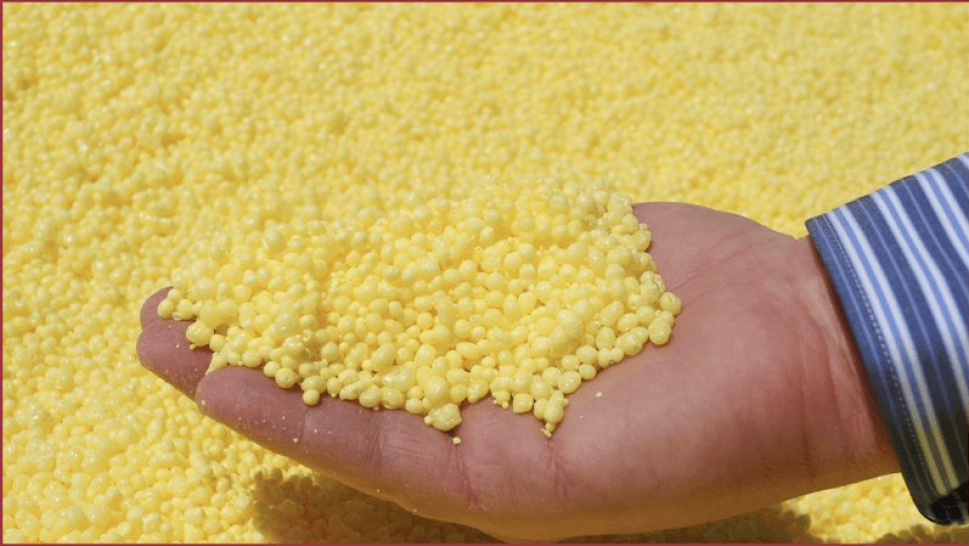

Introduction to Potassium Carbonate
پتاسیم کربنات — potassium carbonate, with the chemical formula K2CO3 — is an inorganic salt that dissolves in water to produce a strongly alkaline solution. Also known as pearl ash or potash, it has been produced from wood ash since antiquity and has been used in soap making, glass manufacturing, and food preparation for centuries. Modern production uses the Solvay process analog or the electrolysis of potassium chloride followed by carbonation, producing high-purity potassium carbonate for industrial and food applications. Its combination of alkalinity, potassium content, solubility, and relatively mild corrosivity compared to potassium hydroxide makes it a useful industrial alkali across multiple sectors.
Glass and Ceramics Manufacturing
Glass manufacturing is the largest industrial consumer of potassium carbonate. In specialty glass formulations — particularly optical glasses, crystal glassware, and television glass — potassium carbonate replaces sodium carbonate (soda ash) as the alkali flux component. The substitution of potassium for sodium in glass formulations produces glass with a higher refractive index, better brilliance, and improved optical clarity compared to soda-lime glass. Crystal glassware — the high-quality tableware associated with prestigious brands — derives its characteristic brilliance and ring from its high potassium content, supplied during manufacturing through potassium carbonate fluxing.
Food Industry Applications
Food-grade potassium carbonate is used in the food industry as a leavening agent, a pH regulator, and a processing aid. In cocoa processing, potassium carbonate is used in the Dutching process — the alkalization of cocoa powder to modify its color, flavor, and solubility characteristics. Dutch-processed cocoa powder has the darker color, milder flavor, and improved water dispersibility that many confectionery applications require. In Asian noodle production, potassium carbonate is one of the traditional alkaline salts used to produce the yellow color, firm texture, and distinctive flavor of certain noodle varieties including ramen and lo mein.
Agricultural Applications
Potassium carbonate serves as a potassium fertilizer in certain agricultural applications, particularly in fertigation (fertilization through irrigation) systems and hydroponic nutrient solutions where potassium supplementation is required in conjunction with alkalinity adjustment. Unlike muriate of potash (potassium chloride) and potassium sulfate, which add chloride or sulfate anions to the soil, potassium carbonate adds carbonate that rapidly converts to bicarbonate in soil and water, providing alkalinity alongside the potassium nutrition. This combination of nutrient provision and pH buffering can be beneficial in acidic soils requiring pH correction alongside potassium supplementation.
Pharmaceutical and Chemical Applications
Pharmaceutical grade potassium carbonate is used in the synthesis of pharmaceutical intermediates and as a mild base in chemical synthesis reactions. Its selective solubility in certain organic solvent-water systems makes it useful for drying organic solutions — potassium carbonate added to a wet organic solvent solution absorbs water without dissolving substantially in the organic phase. In chemical synthesis, it serves as a base in various carbon-carbon and carbon-heteroatom bond-forming reactions, including Suzuki coupling and Mitsunobu reactions in medicinal chemistry.
Textile Industry Applications
The textile dyeing industry uses potassium carbonate as an alkali in reactive dyeing of cotton, where it raises the pH of the dye bath to the alkaline conditions required for the covalent bond-forming reaction between reactive dye and cellulose fiber. The choice between potassium carbonate and the more commonly used sodium carbonate in reactive dyeing depends on factors including the specific reactive dye system, the desired dyeing temperature, and any preference for potassium over sodium in the effluent from the dyeing process.
Soap Making and Traditional Uses
The traditional use of potassium carbonate in soap making remains commercially relevant in the production of soft soaps and liquid soaps. Unlike sodium hydroxide, which produces hard bar soaps, potassium hydroxide and potassium carbonate produce softer soap products that remain semi-liquid or liquid at room temperature. Artisan soap makers and specialty soap producers use potassium carbonate for the production of soft soaps for hair care, shaving, and various traditional cleansing applications.
Potassium Carbonate: Uses, Properties and Industrial Applications
Keywords:



Share the News