


Waste collection and recycling businesses manage a wide range of daily activities, from scheduling pickups and coordinating drivers to tracking containers, processing recyclable materials, handling customer requests, and preparing invoices. As the number of customers and service locations grows, keeping these activities organized becomes increasingly challenging.
Many businesses still rely on spreadsheets, phone calls, paper-based records, and disconnected applications to manage different parts of their operations. Although these methods may work for smaller teams, they can create delays, increase administrative workloads, and make it difficult to maintain accurate service records as operations expand.
Digital tools offer a practical way to bring these processes together. By connecting collection schedules, fleet operations, customer information, billing, and recycling data, businesses can establish more consistent workflows and gain better visibility into their daily activities.
How Waste Collection Software Creates More Efficient Operations
Waste Collection Service Software helps waste haulers, recycling companies, and collection service providers coordinate their daily operations through a centralized digital platform. Instead of managing scheduling, dispatch, customer records, and service reporting separately, teams can access connected information and update records as work progresses.
For example, when a commercial customer requests an additional collection, the request can be recorded, assigned to an appropriate route, communicated to the driver, and documented after completion. If the service carries an additional charge, the corresponding information can also be passed to the billing process.
This connected approach can reduce manual coordination and help prevent information from being lost between departments.
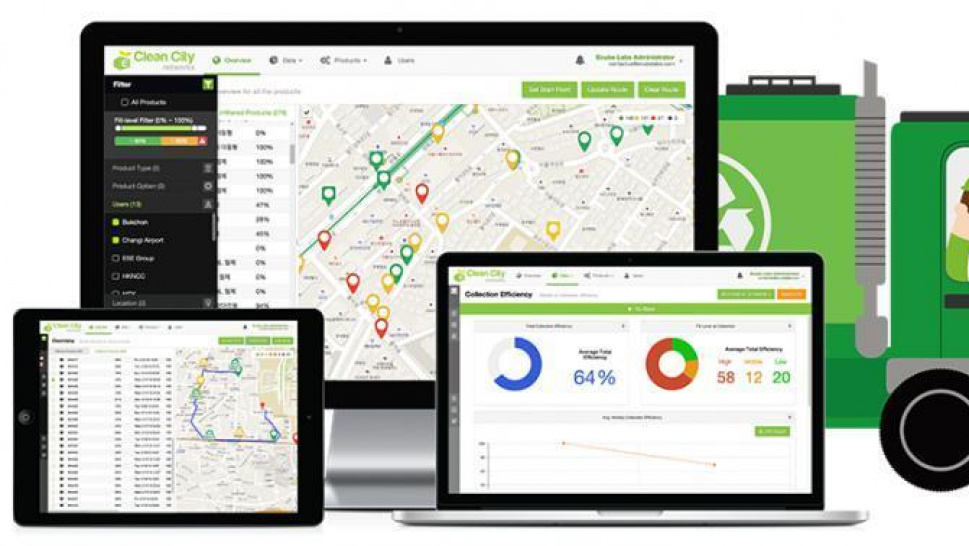
Depending on the business model, a platform may include collection scheduling, route planning, driver applications, container tracking, recycling records, invoicing, customer portals, and operational reporting. Businesses can select the capabilities that match their current requirements rather than adopting every feature at once.
1. Improving Collection Scheduling and Route Planning
Collection scheduling is one of the most important aspects of waste management operations. Businesses may serve residential neighborhoods, commercial properties, manufacturing facilities, restaurants, offices, or recycling drop-off locations. Each customer can have different collection frequencies, access requirements, waste types, and service expectations.
Managing these schedules manually can become complicated when several routes and vehicles operate simultaneously.
Waste collection software can help dispatch teams organize recurring pickups, one-time requests, rescheduled services, and urgent collections in a centralized system.
Route planning capabilities can also help businesses organize stops based on geographic location, vehicle capacity, waste type, driver availability, and customer requirements.
For example, a recycling company collecting cardboard from commercial properties may group nearby locations into suitable routes while accounting for the capacity of each vehicle. If an additional customer needs service, dispatchers can assess where the collection fits into the existing schedule.
Better planning can help businesses reduce unnecessary travel, improve vehicle utilization, and make more consistent use of driver time. Actual savings depend on route conditions, collection volumes, traffic, and the quality of the scheduling process.
2. Strengthening Fleet and Driver Management
Vehicles and field personnel are central to waste collection operations. Poor coordination can result in delayed pickups, unnecessary mileage, missed services, and difficulties responding to unexpected problems.
A digital fleet management workflow can connect vehicle assignments, driver schedules, planned routes, and collection records.
Depending on the system, managers may be able to monitor:
Vehicle and driver assignments.
Daily routes and scheduled stops.
Collection completion status.
Vehicle maintenance schedules.
Fuel consumption and mileage records.
Missed pickups and service exceptions.
Driver notes and field photographs.
Driver-facing mobile applications can make these workflows more practical. Drivers can access job instructions, update collection statuses, record exceptions, and submit supporting photographs without returning paper documents to the office.
GPS and telematics integrations may provide additional visibility into vehicle locations and route progress.
This information helps dispatchers identify operational problems earlier and communicate changes to field teams. It can also create more reliable service records for customer support and management reporting.
3. Making Recycling Collection and Material Tracking Easier
Recycling businesses have operational requirements that extend beyond collecting waste. They may need to distinguish between cardboard, paper, plastics, metals, glass, electronic waste, and other materials while maintaining records of collected quantities and their subsequent handling.
When material information is recorded inconsistently, it can become difficult to understand collection volumes, identify contamination problems, or evaluate the performance of different recycling routes.
Software can help businesses maintain records by material type, customer, collection location, vehicle, date, and weight.
For instance, a recycling operator serving manufacturing facilities may record the quantities of different materials collected from each site. These records can help the business identify which locations generate the highest volumes and whether collection schedules reflect actual demand.
Useful capabilities may include:
Recording material categories and collection quantities.
Capturing weight tickets and weighbridge information.
Tracking rejected or contaminated loads.
Maintaining records of collection and transfer activities.
Monitoring material volumes by customer or location.
Producing reports for internal analysis and applicable reporting requirements.
Some businesses may also need integrations with sorting facilities, scales, barcode scanners, or RFID systems.
The objective is to establish a consistent record of material movement and make the information easier to retrieve. Software can support documentation and reporting, although actual recycling outcomes also depend on sorting processes, facility capacity, and the quality of materials collected.
4. Simplifying Customer Management and Service Requests
Customer service becomes more demanding as collection businesses add accounts and locations. Employees may need to answer questions about pickup schedules, investigate missed collections, arrange additional services, update customer details, and resolve billing disputes.
A centralized customer management module can bring these activities together.
Customer records can include service addresses, collection schedules, container assignments, contract terms, contact information, special instructions, and previous service requests.
This helps employees understand the customer's requirements without searching through multiple documents or contacting several departments.
Customer portals can provide another layer of convenience. Depending on the platform, customers may be able to view collection schedules, submit additional pickup requests, access invoices, review service history, and report missed collections.
Automated notifications can also inform customers about upcoming collections, schedule changes, or service disruptions.
For collection businesses, these capabilities can reduce repetitive administrative work and make customer communication more consistent. They also create a documented history of requests and responses, which can be useful when investigating recurring service problems.
5. Connecting Completed Collections With Billing
Billing accuracy is a significant concern for waste collection and recycling companies, particularly those offering different service packages or charging according to volume, weight, frequency, or container type.
An invoice may include recurring collection fees, container rental, extra pickups, disposal charges, weight-based fees, or additional charges specified in a commercial contract.
If service records and billing systems are disconnected, completed work may not always be reflected correctly in invoices.
A connected software platform can help address this problem by linking completed service events with customer contracts and billing rules.
For example, when a business requests an additional pickup, the request can be recorded and assigned to a driver. Once the collection is confirmed, the service record can be made available to the billing team for review and invoicing.
This creates a clearer connection between work performed and revenue recorded.
Digital service records can also help resolve invoice disputes by providing information about the collection date, location, service type, and completion status.
Automation does not eliminate the need for financial oversight, but it can reduce repetitive data entry and help businesses identify billable activities more consistently.
6. Tracking Containers and Collection Equipment
Waste and recycling businesses often manage large numbers of bins, dumpsters, skips, roll-off containers, compactors, and specialized collection equipment.
These assets may be delivered to customers, exchanged between locations, returned to storage, or sent for maintenance. Without reliable records, businesses can struggle to determine where equipment is deployed or whether a particular container is available.
A container management module can maintain information about asset identification, size, type, location, customer assignment, delivery history, exchange records, and maintenance status.
For example, a roll-off waste company may need to know which containers are currently assigned to construction sites, which are awaiting collection, and which are ready for another delivery.
Centralized tracking makes this information easier to access and can support better asset utilization.
Businesses using barcode, RFID, or GPS-enabled tracking can also capture additional information about container movement, depending on their equipment and operational requirements.
Better asset visibility can reduce avoidable searches, unnecessary replacement purchases, and confusion between field teams and dispatchers.
7. Using Reporting and Analytics to Identify Operational Problems
Collecting operational data is useful only when businesses can turn it into information that supports decisions.
Waste collection software can consolidate information from routes, drivers, customer accounts, service records, containers, invoices, and recycling activities into reports and dashboards.
Managers may use these reports to monitor:
Completed and missed collections.
Route duration and vehicle utilization.
Fuel usage and mileage.
Recycling volumes by material type.
Contamination and rejected loads.
Revenue by customer or service category.
Outstanding invoices and unbilled services.
Customer complaints and recurring service issues.
Consider a business that notices frequent missed pickups in a particular service area. By reviewing route records, staffing information, and collection schedules, managers may identify whether the issue relates to unrealistic scheduling, vehicle capacity, access restrictions, or inconsistent job assignments.
Similarly, recycling volume reports may help businesses identify locations that need different collection frequencies.
The value of analytics depends on accurate and consistent data. Businesses should therefore establish clear procedures for recording service completion, material quantities, and operational exceptions before relying heavily on performance dashboards.
8. How Specialized Software Development Supports Waste Collection Businesses
Not every waste collection or recycling business operates in the same way. A residential collection provider may prioritize recurring routes and missed-service management, while a commercial waste hauler may need complex contracts, container rentals, and consolidated billing. A recycling company may place greater emphasis on material tracking, weighbridge integrations, and contamination reporting.
These differences can influence whether an off-the-shelf platform is sufficient or a customized solution is more appropriate.
Triple Minds is a software development company with a dedicated waste management software development service for businesses looking to digitize and coordinate their waste operations. Its waste management software development services are relevant to organizations evaluating software for collection scheduling, fleet coordination, customer management, billing, reporting, and related operational workflows.
When evaluating a development partner, businesses should begin by documenting their existing processes and identifying the problems they need to solve. This makes it easier to determine which capabilities should be developed, which existing systems should be integrated, and which tasks can be automated.
A well-defined project may include an operations dashboard, driver mobile application, customer portal, container tracking, billing workflows, or integrations with accounting and fleet systems. The scope should reflect the company's size, collection model, technology environment, and future plans.
The important consideration is whether the proposed software supports real operational requirements rather than introducing unnecessary complexity.
9. Integrating Waste Collection Software With Existing Systems
Waste collection businesses often use several digital tools to manage their activities. Accounting platforms may handle financial records, CRM systems may store customer information, and separate telematics services may monitor vehicles.
Requiring employees to enter the same information into several systems creates additional work and increases the possibility of inconsistencies.
Integrations can help connect these applications and reduce duplicate data entry.
Common integration opportunities include:
Accounting and invoicing platforms.
Customer relationship management systems.
GPS and fleet telematics.
Payment gateways.
Mapping and route planning services.
Weighbridge and weighing systems.
Barcode and RFID equipment.
Business intelligence tools.
For example, collection data can be transferred to an invoicing workflow, while payment information can be synchronized with customer account records. Vehicle data may also support operational reporting when integrated with route and dispatch information.
Businesses should evaluate integrations early in the implementation process. Data formats, system permissions, synchronization frequency, and error handling all influence whether connected workflows operate reliably.
10. Supporting Compliance and Operational Documentation
Depending on their location and activities, waste collection and recycling businesses may need to maintain records related to waste classification, transportation, transfer, disposal, permits, weights, and reporting.
Managing these records across paper documents and separate applications can make retrieval difficult, particularly when a business handles multiple waste streams or operates across several locations.
A centralized software platform can help organize service records, material information, supporting documents, timestamps, and audit trails.
This can make it easier for authorized employees to retrieve relevant information for internal reviews, customer requests, or applicable reporting obligations.
However, compliance requirements vary by jurisdiction and waste type. Businesses should confirm that their software workflows reflect the regulations that apply to their operations and should not assume that maintaining digital records automatically establishes compliance.
11. Choosing Software That Can Grow With the Business
A system that works for a small collection team may become restrictive when the business expands into additional service areas or adds new customers, vehicles, and recycling services.
Before selecting or developing a platform, businesses should evaluate whether it can accommodate their anticipated growth.
Important considerations include scalability, mobile usability, reporting capabilities, security, integration options, data migration, staff training, and ongoing maintenance.
The implementation process should also be realistic. Introducing every possible feature at once can disrupt existing operations and make it harder for employees to adapt.
A phased approach may be more practical. A business could begin with customer records and collection scheduling, then introduce driver applications, automated billing, container tracking, and advanced analytics as its requirements develop.
This approach allows the company to address immediate operational problems while building toward a more connected technology environment.
Conclusion
Waste collection and recycling businesses depend on coordinated workflows to deliver reliable services, manage resources, and maintain accurate records. As operations become more complex, disconnected systems and manual processes can increase administrative work and make it harder to identify operational problems.
Waste collection software can help bring scheduling, route planning, fleet management, customer service, container tracking, recycling records, billing, and reporting into a more connected environment.
The benefits depend on selecting capabilities that match the business's actual requirements. A recycling operator, commercial waste hauler, and residential collection provider may all need different workflows, integrations, and reporting tools.
By identifying operational bottlenecks, improving data consistency, and choosing software that can adapt to future needs, waste and recycling businesses can build more organized processes and establish a stronger foundation for sustainable growth.



Share the News