


An encounter with a police officer can happen unexpectedly, whether during a traffic stop, while walking through a public area, or when officers respond to a situation near your home. Knowing your rights during police encounters can help you respond calmly, understand what an officer may legally require, and avoid actions that could unnecessarily complicate the situation.
Police officers have important responsibilities, but their authority is subject to constitutional limits. The Fourth Amendment protects against unreasonable searches and seizures, while the First Amendment protects many forms of expression and the Fifth Amendment provides important safeguards against compelled self-incrimination.
For residents of Florida, including Miami and South Florida, understanding these protections can make it easier to distinguish a voluntary conversation from a detention or arrest. This guide explains common types of police encounters, practical ways to respond, and steps to consider if you believe your rights have been violated.
What Are Your Rights During Police Encounters?
Your rights depend partly on the type of interaction taking place. A casual conversation with an officer is legally different from a detention, and a detention is different from an arrest.
Understanding these distinctions helps you make informed decisions without assuming that every police interaction is unlawful.
Voluntary Police Encounters
An officer may approach someone in a public place and ask questions. In many circumstances, a person is free to decline to answer and leave, provided there is no independent legal basis to detain them.
If you are unsure whether the conversation is voluntary, you can calmly ask, “Am I free to leave?” The officer's response can help clarify the situation, although the legal classification of an encounter ultimately depends on the surrounding circumstances.
You should remain respectful and avoid sudden movements or physical resistance, even when you disagree with an officer.
Investigatory Stops
A detention generally involves a temporary restriction on a person's freedom of movement. Under the Fourth Amendment, an investigatory stop ordinarily requires reasonable suspicion that criminal activity is occurring, has occurred, or is about to occur.
Reasonable suspicion is a legal standard based on specific, articulable facts. It requires more than a vague feeling or an unsupported assumption, although it is a lower standard than probable cause.
During a lawful stop, officers may ask questions related to their investigation. Depending on the circumstances and applicable law, they may also conduct a limited protective pat-down when they reasonably suspect a person is armed and dangerous.
Arrests
An arrest is a more significant restriction on liberty and generally requires probable cause. Probable cause involves facts and circumstances that would lead a reasonable person to believe an offense has been committed and that the person being arrested was involved.
If you are arrested, do not physically resist, even if you believe the arrest is unlawful. You can challenge the legality of the arrest through appropriate legal procedures afterward.
How to Respond to a Traffic Stop in Florida
Traffic stops are among the most common police encounters. In Miami and surrounding communities, drivers may interact with municipal police, county officers, or state law enforcement.
Although the details of a stop can vary, several practical principles can help you respond appropriately.
Keep Your Movements Predictable
Pull over safely when directed, remain in the vehicle unless instructed otherwise, and keep your hands visible. Before reaching into a glove compartment or bag, explain what you intend to do and follow lawful instructions.
These steps can reduce misunderstandings and help prevent a routine interaction from escalating.
Provide Required Documents
During a lawful traffic stop, a driver generally must provide the required driving and vehicle documents when legally requested. Florida drivers should understand their obligations concerning a driver's license, registration, and proof of insurance.
However, being required to provide certain documents does not mean you must answer every investigative question unrelated to those requirements.
Understand Questions About Searches
An officer may ask for permission to search your vehicle. You can clearly and calmly state, “I do not consent to a search.”
Refusing consent does not necessarily prevent a search. Officers may have another legal basis, such as probable cause or a recognized exception to the warrant requirement. Still, clearly stating that you do not consent can help preserve an accurate record of your position.
Do not physically interfere with a search. If you believe it was unlawful, document the circumstances afterward and seek legal advice when appropriate.
Do You Have to Answer Police Questions?
One of the most common concerns during police encounters is whether a person must answer an officer's questions.
The answer depends on the circumstances, including whether you are free to leave, lawfully detained, or under arrest.
The Right to Remain Silent
The Fifth Amendment protects against compelled self-incrimination. In many situations, you may choose not to answer questions that could incriminate you.
If you decide to remain silent, communicate that decision clearly and respectfully. For example, you might say, “I am choosing to remain silent,” or “I would like to speak with an attorney before answering questions.”
Avoid lying to officers, providing false identifying information when legally required to identify yourself, or making statements you know are untrue. False statements can create separate legal problems.
Understanding Miranda Warnings
Miranda warnings generally are required before custodial interrogation, meaning questioning in circumstances involving custody and interrogation as defined by the applicable legal standard.
An officer does not necessarily have to read Miranda rights during every police encounter or every arrest. For example, a routine traffic stop does not automatically trigger the requirement.
If you are in custody and officers are questioning you about a suspected offense, you can clearly state that you wish to remain silent and want an attorney. Do not assume that the absence of a warning automatically means your arrest is unlawful or that every statement will be excluded.
Searches, Phones, and Personal Property
Police searches raise important constitutional questions, particularly when officers seek access to personal belongings or electronic devices.
The Fourth Amendment generally protects against unreasonable searches, but the rules vary depending on the location, property involved, and circumstances.
Searching Your Home
Police ordinarily need a warrant supported by the required legal justification to search a home. However, exceptions can apply, including certain emergency circumstances or valid consent.
If officers arrive at your home with a warrant, do not obstruct them. You can ask to see the warrant and review its stated scope, while making a note of what happens.
If officers ask for permission to enter and you do not want to consent, you can state that clearly. Whether they may enter without your permission depends on the circumstances.
Searching a Phone
Phones contain extensive personal information, including messages, photographs, contacts, and location-related data. Police generally need a warrant to search digital information on a phone seized during an arrest, subject to applicable exceptions.
Do not physically struggle with an officer over your device. If officers demand access to your phone, the legality of the request may depend on the circumstances and the type of access sought. Consider seeking legal advice before making decisions about consent or disclosure.
What If You Believe an Officer Violated Your Rights?
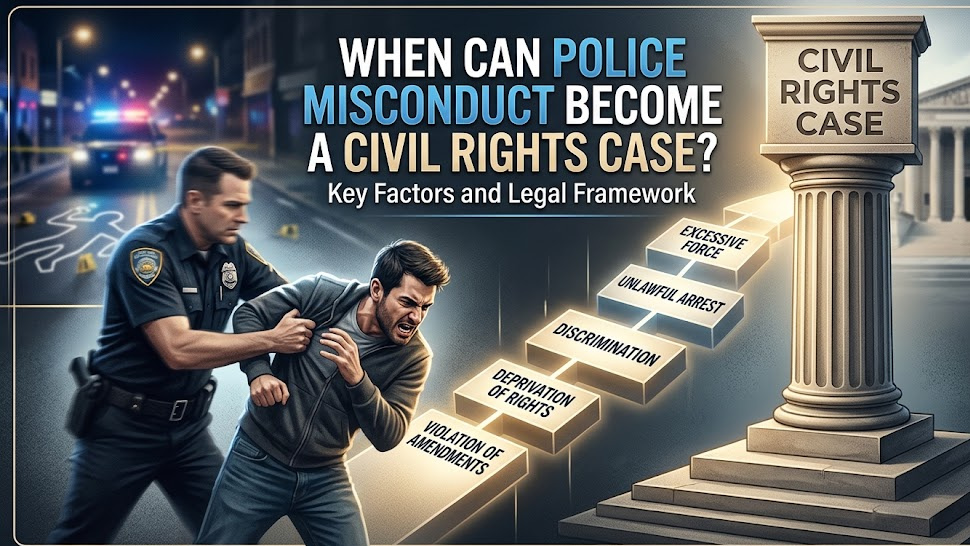
Not every difficult encounter establishes a constitutional violation. However, if you believe an officer used excessive force, conducted an unlawful search, detained you without adequate legal justification, or interfered with a protected right, you can take steps to preserve relevant information.
Document the Encounter
As soon as you are safe, write down:
The date, time, and location
The agency and officers involved, if known
What happened before the encounter
The instructions or questions officers gave
Your responses
Whether a search, detention, arrest, or use of force occurred
Names and contact information of witnesses
Any injuries, property damage, or medical treatment
Keep your description factual. Record what you personally observed and distinguish it from assumptions about an officer's intentions.
Preserve Evidence
Save original recordings, photographs, messages, medical records, and official paperwork. If nearby security cameras may have captured the incident, note their locations because some recordings may be retained for only a limited period.
If you are considering a complaint or lawsuit, prompt legal advice can help you understand which records may be important and whether any deadlines apply.
People seeking further educational context about constitutional claims and accountability can explore police misconduct federal law as part of their broader research into legal protections and government conduct.
Common Mistakes to Avoid During Police Encounters
Even when someone knows their rights, stress can make it difficult to respond thoughtfully. A few common mistakes are worth avoiding.
Physically resisting an officer: Even if you believe an officer is acting unlawfully, physical resistance can create additional safety and legal risks. Challenge questionable conduct through appropriate procedures instead.
Assuming silence means the encounter must end: Choosing not to answer questions does not automatically require an officer to release someone who is lawfully detained or arrested.
Consenting without understanding the request: If you do not want to consent to a search, state that clearly. Do not assume that refusing consent prevents every legally authorized search.
Arguing about the law on the roadside: A stressful encounter is rarely the best time to debate complex constitutional rules. Stay calm, avoid threats, and record the details afterward.
Posting accusations before reviewing the facts: Preserve evidence and avoid making claims about events you cannot verify. Public statements can complicate an already sensitive situation.
Practical Tips for Florida Residents
A few simple habits can help you prepare for an unexpected police encounter.
Learn the basic distinctions. Understand the differences between a voluntary conversation, a detention, and an arrest.
Keep required documents accessible. Drivers should know where their license, registration, and insurance information are located.
Speak clearly and calmly. You can assert your rights without insults, threats, or physical confrontation.
Ask direct questions when appropriate. If you are unsure whether you may leave, calmly ask whether you are free to go.
Avoid guessing about legal requirements. Rules can differ depending on the circumstances, so seek qualified advice when a situation is unclear.
Document concerning incidents. A factual timeline and preserved evidence can help if you later need to make a complaint or discuss a potential claim with an attorney.
In Miami and South Florida, the agency involved may affect where a complaint should be directed and which records may be available. Identify the relevant department whenever possible rather than assuming that every agency follows the same internal process.
Frequently Asked Questions
Can I refuse to talk to police in Florida?
In many circumstances, you can decline to answer investigative questions, particularly during a voluntary encounter. However, specific identification requirements may apply during certain lawful stops, and drivers generally must provide required documents during a valid traffic stop. Whether you can leave or must comply with a request depends on the circumstances and applicable law.
Do police need a reason to stop me?
A voluntary conversation generally does not require the same justification as a detention. An investigatory stop ordinarily requires reasonable suspicion based on specific facts, while an arrest generally requires probable cause. The legality of a particular stop depends on the circumstances, including what the officer knew and observed at the time.
Can I record police officers in public?
In general, people have a First Amendment right to record officers performing official duties in public, subject to reasonable legal restrictions. Recording should not interfere with lawful police activity, and rules can vary with the setting. Keep a safe distance, follow lawful instructions, and avoid physically obstructing officers.
Do police have to read me my Miranda rights when they arrest me?
Not automatically. Miranda warnings generally apply before custodial interrogation, rather than every arrest or police conversation. Whether the requirement applies depends on whether you are in custody and being interrogated under the relevant legal standard. The absence of a warning does not, by itself, make an arrest unlawful.
What should I do if police search my property without permission?
Do not physically interfere with the search. If you do not consent, state your objection calmly, provided it is safe to do so. Record what happened afterward, preserve any available evidence, and seek legal advice. A search may sometimes be lawful without consent, so the circumstances must be reviewed before drawing conclusions.
Conclusion
Understanding your rights during police encounters can help you respond more confidently when an officer approaches you, conducts a traffic stop, asks questions, or carries out an arrest. The most important principles are to remain calm, understand the difference between voluntary contact and detention, communicate your decisions clearly, and avoid physical resistance.
For Florida residents, including those in Miami and South Florida, knowing these basics can make an unexpected encounter easier to navigate. If you believe an officer crossed a legal boundary, preserve the facts and seek qualified guidance rather than assuming that the encounter was automatically lawful or unlawful.
Knowing your rights is not about turning every interaction into a confrontation. It is about making informed decisions, protecting your safety, and understanding the appropriate ways to address potential misconduct.



Share the News