

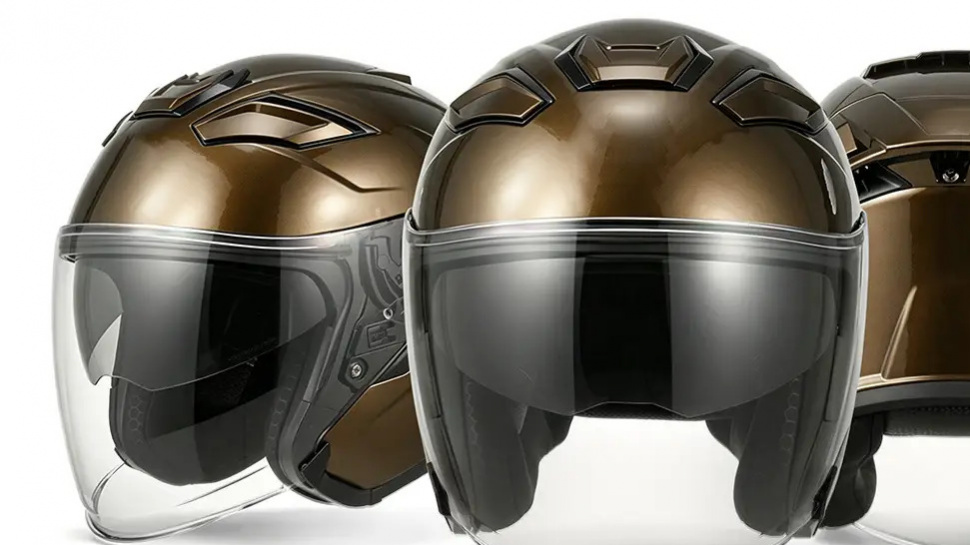

A fiberglass helmet shell may look like a single smooth surface, but it is actually built from multiple layers working together. How those layers are arranged has a major influence on how the helmet protects the rider during an impact. Understanding the basics of shell layering helps brands appreciate the engineering behind fiberglass helmets and the importance of choosing a manufacturer with real composite expertise.
How Composite Shells Are Built
Fiberglass shells are made by placing sheets of glass fiber material into a mold and bonding them with resin. Each layer adds strength, and the combined layers form a rigid composite structure once cured. Unlike injection-molded plastic shells, composite shells allow manufacturers to adjust strength and weight by changing the number, type, and arrangement of layers in different areas of the shell.
Why Layer Orientation Matters
Glass fibers are strongest along their length. By placing layers in different directions, manufacturers create a shell that resists forces coming from many angles. This multi-directional strength helps the shell spread impact energy across a wider area. Poorly planned layering can leave weak zones, so careful design and consistent execution are essential for dependable protection in real-world crashes.
Balancing Strength and Weight
Adding more layers can increase strength but also adds weight. Too much weight reduces comfort and increases neck fatigue, while too little material may compromise protection. The goal is to find the right balance. Manufacturers may reinforce areas that need extra strength while keeping other areas lighter. This balance allows fiberglass helmets to offer dependable protection with a comfortable, manageable weight.
The Shell and EPS Working Together
The shell does not protect the rider alone. Inside it, the EPS foam liner absorbs impact energy by compressing during a crash. The shell spreads the force, and the liner absorbs it. Wenjin produces EPS liners in-house and matches them carefully to each shell size, ensuring both parts work together as a complete protective system. This coordination is key to passing certification and protecting riders.
Consistency Through Skilled Production
Working with an experienced fiberglass helmet manufacturer ensures layering is performed consistently across every shell. Wenjin applies composite expertise developed in both fiberglass and carbon fiber production. Skilled technicians follow standardized procedures for cutting, layering, resin application, and curing. This consistency helps ensure every shell in a production run delivers the same strength and quality as the approved sample.
Testing to Verify Performance
Layering decisions must be proven through testing. Wenjin produces fiberglass helmets to standards such as ECE R22.06 and DOT, which evaluate impact absorption, penetration resistance, and retention strength. After mass production, samples are retested, and for ECE helmets batch testing is carried out every 3,200 pieces. Every helmet is inspected before shipment, confirming that the engineering behind each shell performs as intended.
Engineered Fiberglass Helmets from Wenjin
Shell layering may be invisible to riders, but it plays a central role in their protection. Wenjin brings composite expertise, in-house EPS production, standardized processes, and strict testing to every fiberglass helmet it produces. Models such as the OF856 and FF937 give brands proven starting points. With more than 20 years of experience, Wenjin delivers fiberglass helmets engineered for dependable impact performance.



Share the News