

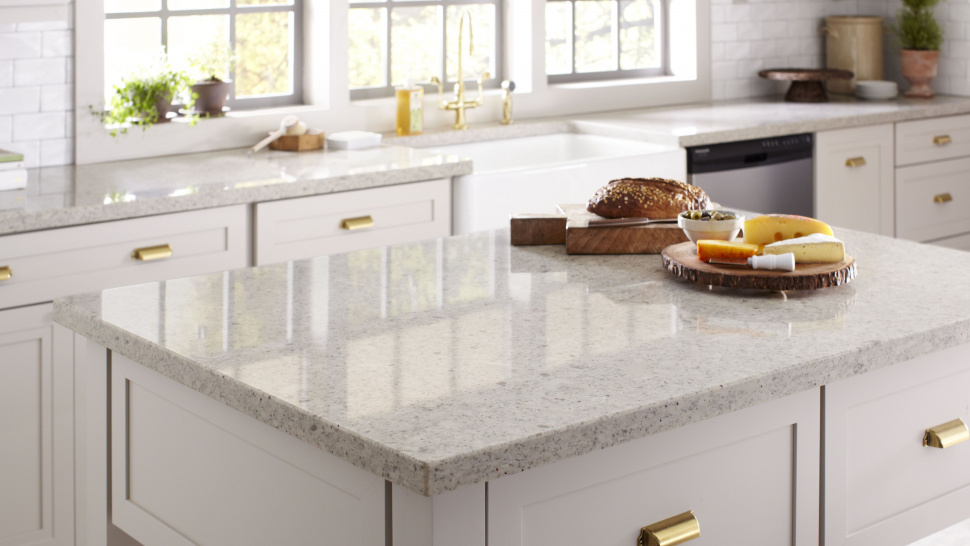

Natural stone can add texture, depth, and individuality to a modern home. Unlike manufactured decorative materials that aim for a consistent appearance, natural stone features variations in color, pattern, and texture that make each piece distinctive. These characteristics allow homeowners to introduce natural elements into contemporary interiors without sacrificing a clean, coordinated design.
When exploring quartzite surfaces for modern interior design , homeowners can discover stone patterns that range from subtle neutral tones to dramatic veins and contrasting mineral details. Quartzite can work particularly well in kitchens where the countertop serves as both a functional surface and a visual focal point. The key is to choose a slab that complements the surrounding finishes and suits the intended use of the space.
Incorporating natural stone successfully requires more than selecting an attractive material. Its color, finish, placement, and maintenance requirements should all be considered as part of the wider design. By planning these details carefully, homeowners can create interiors that feel welcoming, practical, and visually consistent.
Why Natural Materials Work in Contemporary Interiors
Modern interior design often emphasizes simplicity, useful spaces, and carefully selected materials. Natural stone fits into this approach because it introduces organic variation without requiring elaborate decoration.
A stone surface can become a focal point in a room with straightforward cabinetry, neutral walls, and minimal accessories. Its natural pattern provides visual interest while allowing the surrounding elements to remain relatively simple.
Stone can also help balance materials with different textures. Smooth cabinets, glass features, metal hardware, and natural wood may feel more cohesive when combined with a surface that introduces subtle variation. This contrast can make a contemporary room feel less uniform without making it visually crowded.
The amount of stone used should reflect the overall design. A large countertop or island can provide a strong visual statement, while a smaller application may be enough to introduce texture into an otherwise understated space.
Select the Right Stone for Each Application
Different natural stones have different characteristics, so homeowners should choose a material according to where it will be installed and how it will be used.
Granite is recognized for its varied mineral patterns and broad selection of colors. It can suit kitchen countertops, islands, and other surfaces where natural variation is desirable. Its maintenance requirements depend on the particular stone and finish.
Marble is valued for its distinctive veining and refined appearance. It can create an elegant focal point in kitchens and other interior spaces, although its susceptibility to etching and scratching should be considered before selecting it for demanding applications.
Quartzite offers another natural stone option, with patterns that can resemble marble while displaying its own geological characteristics. Individual slabs vary, so homeowners should inspect the actual material and discuss its care requirements with a qualified professional.
Natural stone should not be selected based on appearance alone. The suitability of a particular material depends on the installation location, expected use, finish, and recommended maintenance routine.
Use Stone to Establish a Visual Focal Point
A focal point helps give an interior a clear design direction. Natural stone can serve this purpose because its patterns and colors naturally attract attention.
In a kitchen, a stone island may become the central feature of the room. A distinctive slab can stand out against simple cabinets, allowing the material to provide character without requiring several decorative elements.
The same principle applies to other interior surfaces. Stone may be used on a feature wall, fireplace surround, or selected decorative area, depending on the material's suitability for that application. These features can introduce texture while maintaining a relatively restrained design.
Balance is important. If the stone has strong veining or pronounced color variation, the surrounding finishes may benefit from a simpler palette. When the stone is more subtle, homeowners have greater flexibility to introduce contrasting textures or decorative details.
Reviewing the stone alongside other materials before installation can help ensure that the focal point feels intentional rather than disconnected from the rest of the room.
Coordinate Stone with Wood, Metal, and Glass
Natural stone can complement a variety of materials commonly used in modern interiors. The way these materials are combined influences whether the finished space feels warm, minimal, dramatic, or understated.
Wood can soften the appearance of stone by introducing warmth and visible grain. Pale wood paired with light-colored stone may create a relaxed atmosphere, while darker wood can add contrast and depth.
Metal finishes provide another opportunity for coordination. Stainless steel, brushed nickel, and other finishes may complement contemporary kitchens, while warmer metallic accents can work with cream, beige, and brown tones found in some stones.
Glass can introduce visual lightness, especially in rooms where stone and wood already provide substantial texture. Transparent or lightly tinted glass may help preserve an open appearance while creating contrast with solid surfaces.
These materials do not need to match exactly. Instead, homeowners should consider how their colors, textures, and proportions relate to one another. A well-balanced combination can make natural stone feel integrated into the interior rather than added as an isolated feature.
Consider Color and Lighting Together
Lighting can change how natural stone appears throughout the day. A slab that looks neutral under showroom lighting may reveal warmer or cooler tones when installed in a home.
Natural daylight often highlights variations in the stone's pattern. Artificial lighting can emphasize different colors depending on its temperature and intensity. For this reason, homeowners should review samples under lighting conditions similar to those planned for the finished space.
Light-colored stone may help create an open appearance, especially when paired with pale cabinets and reflective surfaces. Darker stone can introduce depth and contrast, although the effect depends on the room's size and available light.
Lighting placement also matters. Under-cabinet fixtures can illuminate kitchen work areas, while pendant lights may draw attention to a stone island. The objective is to provide suitable illumination for everyday activities while allowing the material's natural details to remain visible.
Whenever possible, review larger samples or the actual slab rather than making a decision based on a small image. This provides a more realistic understanding of how the color and pattern will look in the completed room.
Choose a Finish That Complements the Design
The finish of a stone surface influences its appearance and maintenance. A polished finish generally creates a reflective surface that emphasizes color and pattern. It can suit interiors that favor a crisp, refined look.
A honed finish is typically less reflective and may complement designs that emphasize subtle textures and understated materials. Other finishes may offer a more textured appearance, depending on the stone and the intended application.
Homeowners should ask how the selected finish affects cleaning and everyday care. The answer can vary by material, so it is important to obtain guidance for the actual product rather than relying on broad assumptions about natural stone.
Edge details also contribute to the finished appearance. Straight edges can reinforce a clean, contemporary style, while more decorative profiles may be suitable for traditional or transitional interiors.
The most effective choice is one that supports the overall design without introducing unnecessary complexity. Coordinating the finish and edge profile with cabinetry, hardware, and other surfaces can help create a cohesive result.
Plan Countertop Placement Around Everyday Use
In kitchens, the placement of natural stone should reflect the way the room functions. Countertops are used for preparing meals, organizing ingredients, serving food, and completing many other daily tasks.
Before choosing the dimensions of a countertop, homeowners should review the location of the sink, cooktop, refrigerator, and preparation areas. Adequate workspace near these fixtures can make the kitchen more convenient to use.
An island may provide additional room for food preparation and social interaction. However, its size should allow comfortable movement around surrounding cabinets and appliances. A smaller island that fits the room properly may be more useful than a larger surface that restricts circulation.
The location of seams and cutouts should also be considered during planning. Natural patterns may need careful positioning across multiple sections, and the placement of a sink or cooktop can influence the final appearance.
By coordinating layout decisions with the stone selection, homeowners can create a surface that serves its intended purpose while contributing to the overall design.
Understand Cleaning and Maintenance Requirements
Natural stone can remain attractive for many years when it receives appropriate care, but maintenance requirements vary by material and finish.
Some stones may require sealing to help reduce absorption. Sealing does not make every surface completely resistant to stains or other forms of damage, so homeowners should ask the supplier or installer whether treatment is recommended for the specific stone.
Routine cleaning should follow the guidance provided for the selected material. Unsuitable chemicals and abrasive cleaners may damage certain surfaces, making product-specific instructions important.
In kitchen applications, wiping spills promptly is a useful habit. Cutting boards can help protect the countertop during food preparation, while trivets reduce direct exposure to hot cookware. These precautions can help minimize avoidable wear.
Homeowners should also consider whether the maintenance routine fits their lifestyle. A material with distinctive natural patterns may be worth the additional care for some people, while others may prefer a surface with different maintenance requirements.
Understanding these details before installation helps establish realistic expectations and supports better long-term care.
Work with Qualified Countertop Professionals
Selecting the stone is only one part of the process. Accurate measurement, fabrication, and installation are essential to achieving a finished surface that fits the intended space.
Professionals can help homeowners evaluate slab characteristics, confirm the suitability of a material for a particular application, and identify practical considerations before fabrication begins. They can also explain how thickness, weight, cutouts, and overhangs may affect the installation.
For homeowners comparing a natural stone supplier for home renovation projects, it is useful to ask about available materials, slab selection, fabrication requirements, and recommendations for care. Reviewing these details helps clarify what is involved before the project moves forward.
The actual slab should be inspected whenever possible, particularly when the pattern is an important part of the design. Discussing seam placement and the alignment of prominent veins can help establish expectations for the completed surface.
Clear communication throughout the project makes it easier to coordinate the material with cabinetry, fixtures, and other finishes. Planning these details in advance can reduce avoidable changes during installation.
Create a Cohesive Interior with Natural Stone
Natural stone works best when it is part of a considered design rather than an isolated decorative choice. Its colors, textures, and patterns should relate to the cabinetry, flooring, lighting, and other materials in the room.
A dramatic stone surface may benefit from simple surrounding finishes, while a subtle material can provide flexibility for more expressive cabinetry or decorative features. Both approaches can be effective when the elements are balanced carefully.
Homeowners should also consider how the space connects with adjacent rooms. In open-plan homes, kitchen surfaces may be visible from dining and living areas, making coordination across the interior especially important.
The goal is not to make every element identical. Instead, the materials should complement one another while allowing the natural stone to contribute its own character.
Make a Thoughtful Long-Term Choice
Natural stone offers homeowners an opportunity to create interiors that feel distinctive and connected to natural materials. However, the best choice depends on more than current design preferences.
The material should suit the intended application, fit the layout, complement surrounding finishes, and offer maintenance requirements that the homeowner can manage. Reviewing actual slabs, comparing finishes, and consulting qualified professionals can help clarify these considerations.
When these decisions are made together, natural stone can contribute both visual interest and practical value to a home. A carefully selected and properly installed surface can support everyday activities while helping create a balanced interior that remains appealing over time.



Share the News