


Imagine a factory needs 5,000 metal parts for a machine. Now imagine an engineer needs just three parts, each with a tricky shape. Would both jobs use the same manufacturing method? Probably not.
Metal 3D printing is different from older plant methods. These options are built for different jobs. With metal additive manufacturing, you can create tough parts in unusual shapes quickly and efficiently. This approach allows for small batch runs without the long waits associated with traditional manufacturing processes. On the other hand, older methods often work best for large orders, where economies of scale can be realized.
In practice, the better route depends on the exact part, the real total cost, and what happens after the part is made. Additive Manufacturing Engineering supports metal printing too. So a firm can change direction if the usual way cannot meet the needs.
How Do They Work?
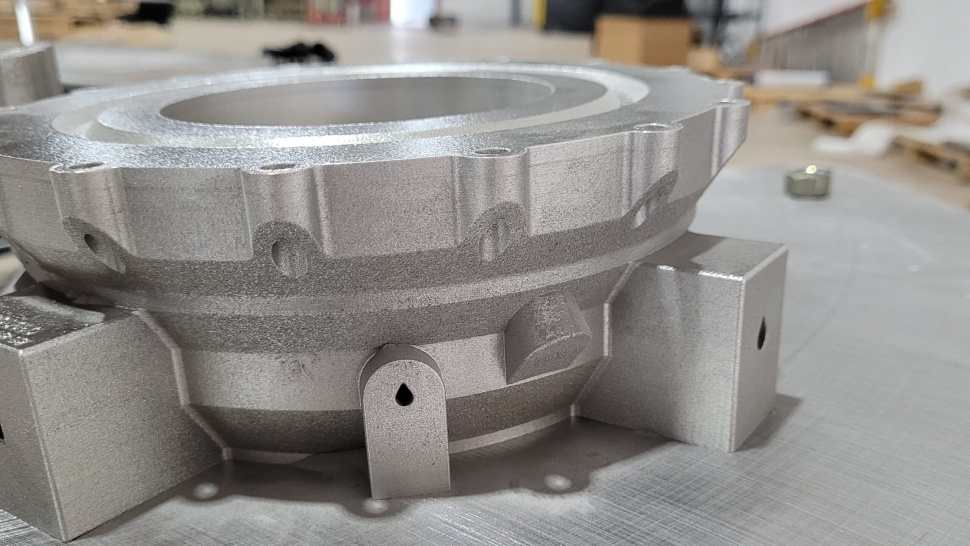
Metal 3D printing starts with a computer design. A machine builds the part in thin layers, often by using a laser to melt metal powder. Once the part comes out, it may need cleaning or extra work before it is ready.
Traditional manufacturing uses methods such as machining, casting, and forging. A machinist cuts a shape from a block of metal. Casting uses melted metal and a mold, while forging presses metal into shape.
Both methods make useful parts. The difference is how they shape the metal and what each job needs before production can start.
Which One Costs Less?
The answer depends on how many parts a business needs. A factory making thousands of the same bracket may save money with traditional methods. Once the tools are ready, each new part can cost very little.
A small order is a different story. If an engineer needs only four parts for a new design, making a special mold may be too expensive. Metal 3D printing can avoid that extra setup.
Still, printing has its own costs. Metal powder can be expensive, and some parts need extra machining or heat treatment. The best way to compare prices is to count the full cost, not just the cost of making the part.
What If the Design Is Complicated?
This is where metal 3D printing can be useful. It can make shapes that are hard to produce with ordinary tools, such as hollow parts or narrow channels inside a metal component.
Think about a part that needs a channel to carry cooling fluid. With traditional methods, the design might require several pieces joined together. A printer may be able to make the part with the channel already inside. That means fewer pieces to assemble.
But a simple metal plate does not need such a process. A factory can cut it quickly using standard equipment. Paying more to print a basic shape would make little sense if the design gains nothing from it.
Are Printed Parts as Strong?
It can be true, but the final strength is not only about how it is made. The metal choice plays a big role. The part’s form matters too. Even the way the steps are run can change the result.
Forging is often picked when a part must handle high stress. Machining is used when people want a smooth outer face or tight dimensions. Metal printed parts can also work for serious tasks. Still, printing can go wrong, and small voids can end up inside the piece.
After printing, some parts need heat work. Some also need cutting or polishing before they are ready. Parts for planes, medical devices, or big machines may require extra checks. In the end, a part has to work for what it is built to do, no matter which route was used to make it.
Which Method Is Faster?
An engineer is trying out a new product. The first version has a flaw, so the design must change. With metal 3D printing, the engineer can edit the digital model and run a new print right away, instead of paying for a new mold.
Old school manufacturing can take more time at the start, mainly because it often needs special setup tools. After the factory gets everything ready, it can turn out big runs in less time.
One point to keep in mind is this. Printing the part is not the whole task. There is also cleaning, surface work, checks, and shipping. Even a fast print may still need a few extra steps before it is actually ready.
Which Method Wastes Less Metal?
Machining starts with a block of metal and cuts away what the part does not need. When the design is complex, quite a lot of material may be left over.
Metal 3D printing adds material as it builds the shape. This can reduce waste on some jobs. However, certain parts need support structures, and unused powder must be handled carefully.
Neither method always wins here. A simple part may be made with little waste using traditional methods. A complex part may use less material when printed.
How Should a Business Decide?
Before choosing a method, a business should think about a few practical points:
How many parts are needed?
Is the design simple or complex?
How strong does the part need to be?
Will it need extra finishing?
How much can the project spend?
Traditional manufacturing often suits large orders of simple parts. Metal 3D printing may suit smaller orders or designs that are difficult to make by other means. Some jobs use both methods. A part can be printed first, then machined where exact measurements matter.
Conclusion
Metal additive manufacturing helps make strong parts with hard shapes. It can also fit well when you will only build a few units. If the part is simple, and you plan to produce lots of pieces, older manufacturing methods may be the better path. No single process wins every time. Each project needs its own review.
Our engineering team does metal printing when it fits the need. We decide based on how the part is designed, the full cost, and what the final part must survive during normal service.
FAQs
What is metal additive manufacturing?
Metal additive manufacturing builds metal parts from a computer model. It makes the part in steps, layer by layer. A lot of systems use a laser to fuse metal powder. This method can create forms that are tough to make with standard shop tools. After printing, some pieces still need cleanup, then checks, before they are ready to use.
Is metal 3D printing cheaper than traditional manufacturing?
Small orders can be less expensive. You may not need special tools or custom molds. With older production styles, the unit cost can drop when a plant makes many copies. Thousands of the same items help spread the fixed setup cost. The overall cost still changes based on the material choice. It also depends on the finishing work, the time on the machines, and any tests required.
Are metal 3D-printed parts strong?
Yes, they can be strong enough for many jobs. Their strength depends on the metal, the design, and how the part is printed. Some parts need heat treatment or machining before use. For parts used in demanding settings, testing helps show whether the finished piece can handle the loads it will face.
Which industries use metal 3D printing?
Aerospace, automotive, healthcare, energy, and factory equipment makers use metal 3D printing for certain parts. These may include lightweight components, medical tools, cooling parts, and replacement pieces with complex shapes. Each industry has its own safety rules. The finished part must meet the right standards before it can go into service.
Can metal 3D printing replace traditional manufacturing?
Metal 3D printing can replace traditional methods for some parts, but it cannot do every job. Large orders of simple parts often suit casting or machining. Printing may work better for complex designs or small batches. Some manufacturers combine both methods, using each where it offers the best result.



Share the News