

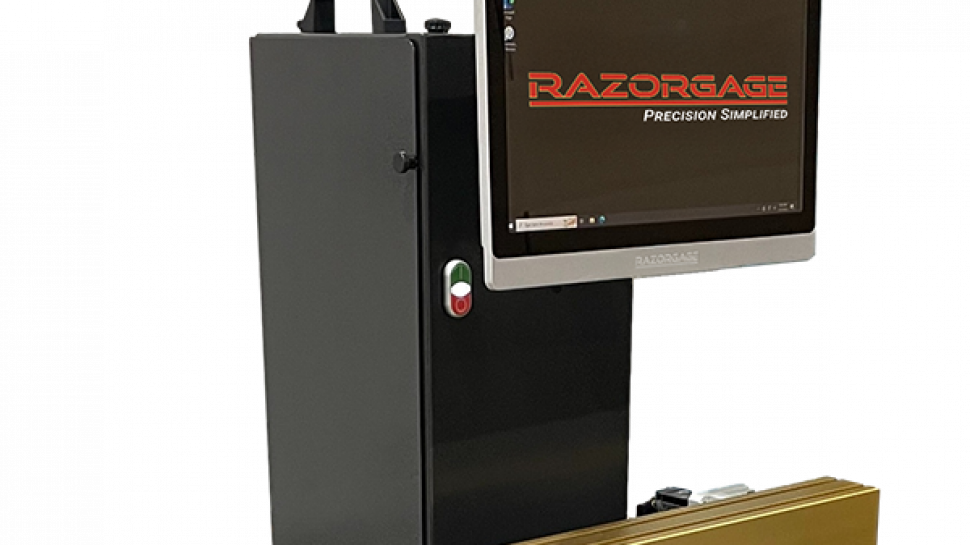

Ask any cabinet maker where money leaks out of a shop, and the saw station comes up more often than not. The saw itself is fine. The trouble is how material gets measured, marked and fed into it. Optimizing saws were built to fix that. They read a cutlist, figure out the best way to use each board, and move the stock into position with very little help from the operator. RazorGage has been building this kind of equipment in Ames, Iowa since 2001, so its systems are a good way to see what a modern setup can do on a real shop floor.
Where Manual Cutting Loses Time and Material
Picture a normal day at a manual chop saw. The operator reads a number off a sheet, pulls a tape, makes a pencil mark and hopes the number was right. Do that two hundred times and a few mistakes will slip in. A part cut a sixteenth short is scrap. A board cut in the wrong order leaves an offcut too small to use anywhere. None of this feels dramatic in the moment, but at the end of the month it shows up as lumber you paid for and never sold. Then there is labor. One person measures, another cuts, a third sorts parts into piles. Every handoff costs a few minutes, and the saw slowly becomes the bottleneck.
How an Optimizing Saw Actually Works
The idea is simple. You give the machine a list of parts, and it decides how to cut them from your stock with the least waste. On a RazorGage system, the cutlist can arrive over Ethernet, a USB drive or Wi-Fi. It can be pre-optimized in your design software, or you can optimize it right at the machine with the AutoList option. The operator sorts the list by material, color or job without leaving the saw. After that, the pusher moves to each position on its own.
The published specs say part length accuracy of plus or minus .005 inch is possible, depending on the application. The APS pusher can move a 200 pound load at 10 inches per second, and lighter loads at up to 55 inches per second. Speed and accuracy usually pull against each other, so seeing both in one machine is the point.
Defect Detection With a Plain Crayon
Anyone who cuts solid lumber knows about knots, splits and stained spots. The usual routine is to mark them with a crayon and cut around them. The RazorOptimal reads those marks and builds a cutting plan that gets the most usable pieces from the clean stretches between defects. The operator works the way they always did, and the machine handles the planning. For a shop that buys lumber by the board foot, that adds up over a year.
Hardware That Keeps Its Accuracy
Software gets the attention, but the mechanical side decides whether the numbers stay true after a few thousand cuts. RazorGage positioners use the same kind of Hiwin linear bearings found on CNC machine tools, plus a near zero backlash planetary gearhead. The company says its controller reacts quickly to a jam, which keeps belts from stretching, and the RG3 line carries a five year belt warranty. The Cyclone upcut saw is made by RazorGage too, so the stop and the saw were designed to work together instead of being two products bolted side by side. Everything is built in Ames. This is the part buyers should ask about on any machine, because a nice touchscreen sitting on a loose carriage is still a loose carriage.
Picking the Right Setup for Your Shop
Not every shop needs the biggest machine. The RG3 works as a programmable stop or an automatic pusher, and it pairs with chop saws, upcut saws, downcut saws, drill presses and even notching or punching machines. That makes it a sensible start for a shop that already owns a saw it likes. The APS goes a step further. The operator presses go and steps back, so one person can feed the saw and unload finished parts at once. The RazorOptimal adds defect detection and can be set up with pocket hole drilling and scribe marking for face frame work. For miter cuts, the AngleMaster rotates the saw to the angle each part needs, and an Android based version suits shops that want the same CNC grade mechanics with simpler software. The right pick depends on volume, material and how many people you can spare at the saw. A quick call with the team before buying is worth it.
What Changes Once the Machine Is Running
Shops that make the switch tend to notice the same things. Labels come out of the printer with barcodes or QR codes, or the machine prints straight onto the part with ink that sands off easily, so parts reach assembly already identified. Settings carry plain names like speed, kerf and acceleration, and the company says operators need almost no training. The saw stops being the place where jobs wait. And because the cutlist drives everything, results look the same no matter who is standing at the machine. Anyone who has watched a great saw operator retire knows what that consistency is worth.
Is It Time to Upgrade?
If jobs pile up at your saw, or you keep tossing offcuts that should have been parts, an optimizing saw setup deserves a serious look. The gains come from less waste, fewer errors and fewer hands tied up at one station. Underneath all of it sits automated material positioning, the quiet part that puts the board exactly where the blade expects it, cut after cut. RazorGage has been refining that idea since 2001, and the range is wide enough for small cabinet shops and larger production floors alike.
FAQs
What are optimizing saws used for?
They cut parts from a cutlist while planning the layout to waste as little material as possible. Cabinet shops, window and door makers and general cutting operations use them to speed up repetitive cutting and reduce errors.
How accurate are RazorGage systems?
According to the company, part length accuracy of plus or minus .005 inch is possible. The actual figure depends on the application, material and setup, so it helps to discuss your own work with the team.
Can I add a RazorGage positioner to a saw I already own?
Often, yes. The RG3 can be used as a programmable stop or automatic pusher with chop saws, upcut saws, downcut saws, drill presses and similar machines. Check compatibility with RazorGage first.
Does an optimizing saw deal with wood defects?
The RazorOptimal can. The operator marks defects with a crayon, and the system builds the cutting plan to get the most usable pieces between those marks.
How do I get a quote or ask a question?
Reach out to RazorGage using the details below. The team can help you compare models and match one to your volume and material.
Contact Us:
Address: 57006 241st Street Ames, IA 50010
Phone: 515.232.3188



Share the News