

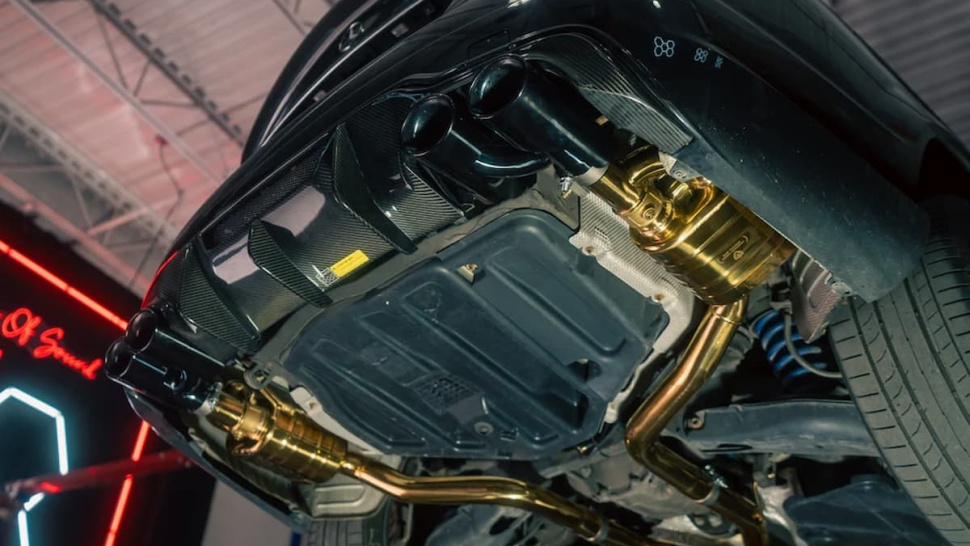

A Mercedes-Benz merits replacement components that uphold its functionality, dependability, and unique driving experience. When an exhaust component is compromised or worn, choosing the right replacement can restore engine performance, reduce unwanted noise, and ensure proper exhaust flow. Whether you own a daily commuter sedan or a performance-driven vehicle, compatibility should always come first. For those interested in enhancements, a Mercedes C63 AMG Performance Exhaust might deliver a sportier auditory experience and a more immersive drive. However, the best choice depends on your car's model, engine details, driving style, and budget.
Verify Your Vehicle's Detailed Specifications
Before buying any exhaust replacement part, confirm your Mercedes model, year of manufacture, engine type, and trim variant. Exhaust systems can vary greatly across different models, even if their names seem alike. An exhaust part made for one engine may not fit another because pipe sizes, mounting locations, sensors, or catalytic converters can vary. Cross-check your vehicle identification number (VIN) with the compatibility details provided by the supplier. This simple step can help you avoid unnecessary returns, installation delays, and extra costs. If you are unsure about your vehicle's specifications, consult a Mercedes expert or a knowledgeable parts supplier to verify the proper fit.
Identify Which Exhaust Element Requires Replacement
An exhaust system has multiple interconnected parts, and identifying the issue can save you from buying unnecessary items. Frequently replaced components include exhaust pipes, silencers, catalytic converters, gaskets, clamps, and support brackets. Certain vehicles may also have particulate filters and oxygen sensors that need careful assessment. Watch for strange rattling, loud exhaust noise, or changes in engine performance. Noticeable rust, fractures, loose fittings, and exhaust leaks might also signal a problem. However, these indicators do not always pinpoint the exact malfunctioning component. A professional evaluation can clarify whether you need to replace an entire exhaust section or just a minor part.
Decide Among Genuine, OEM, and Aftermarket Components
Replacement parts for Mercedes exhausts can be sourced through various manufacturing and distribution channels. Genuine parts are provided under the automaker's brand and are tailored for the specific application. Original equipment manufacturer (OEM) parts might come from firms that furnish components to car manufacturers, although specifications and branding can differ. Aftermarket options offer an alternative, often with a broader range of price points and performance options. The key is not just the label, but the item's quality, compatibility, warranty, and regulatory compliance. Evaluate these factors thoroughly prior to making a purchase.
Take into Account Sound, Performance, and Driving Requirements
Your perfect exhaust system is determined by your driving habits with your Mercedes. If you frequently navigate city traffic or have a daily commute, choosing a replacement that maintains the original sound level and comfort may be the most sensible option. On the other hand, those who want a more dynamic sound may want to consider performance exhaust systems that improve exhaust flow and deliver a richer sound. Before upgrading, make sure the new system is compatible with your engine and current exhaust components. Claims of increased horsepower or better fuel efficiency should be backed by reliable product specifications, not just advertising.
Evaluate Quality, Installation, and Long-Term Expenses
While cost matters, it shouldn't be your only criterion. Look at the materials used, corrosion resistance, weld quality, fittings, and the warranty provided with each part. Stainless steel is known for its corrosion resistance, whereas other materials' effectiveness depends on their grade, build, and intended application. Don't forget to factor in installation costs when comparing options. Certain exhaust components may need specialised tools, management of sensors, or extra fittings. A poor installation can cause leaks, vibrations, misalignment, and damage to nearby parts. Select a reliable garage experienced with
Conclusion
Choosing the right exhaust replacement parts for your Mercedes takes more than just finding a good deal. Start by verifying your vehicle’s specifications, identifying the defective part, and comparing genuine, OEM, and aftermarket options. Then consider your desired sound, performance needs, material standards, installation costs, and regulatory compliance. Taking time to review these factors helps you choose an exhaust part that fits properly and delivers dependable performance. If uncertain, engage with a certified Mercedes technician or a reliable parts distributor.
Visit glbrain for more informative blogs.



Share the News