

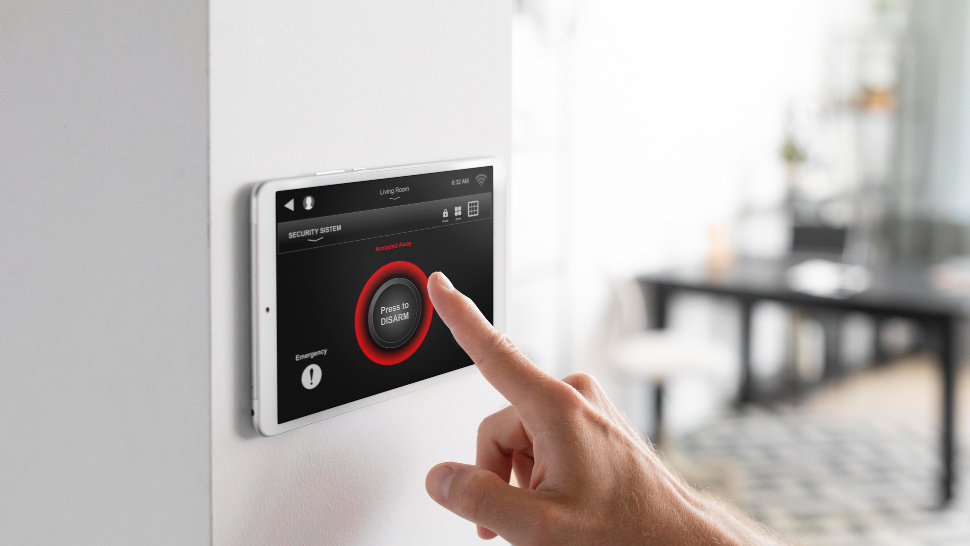

Office security goes beyond locking doors at the end of the day. Organisations need effective systems that prevent unauthorised access, detect unusual behaviour, and safeguard employees, equipment, and private data. A thoughtfully installed Commercial Intruder Alarm System can deliver essential protection by detecting possible threats and notifying the necessary personnel. However, not all alarms offer the same security features. Features like motion detection, remote monitoring, entry controls, and backup power can significantly improve safety. Knowing these features helps businesses choose an alarm system that fits their location, operating hours, and security needs.
Motion Sensors That Identify Unusual Movement
Motion sensors rank among the most beneficial attributes of an office alarm system. They monitor movement in designated zones and can sound an alert when activity is detected while the system is active. This is especially beneficial for offices with computers, valuable assets, sensitive documents, or restricted areas. Modern systems may use various detection methods, including passive infrared sensors that detect changes in thermal patterns. Certain advanced models can differentiate between people and various environmental movements, minimising false alarms. Sensor placement is equally critical. Placing them near entry points, hallways, and sensitive zones can improve overall coverage.
Door and Window Sensors for Security at Entrances
Intruders frequently target doors and windows, making contact sensors vital for office protection. These sensors detect the opening of protected doors or windows and can trigger the alarm if the system is set. They are particularly crucial for ground-level offices, back entrances, storage areas, and emergency exits. Organisations should think about safeguarding less noticeable entry points along with the main door. Delivery doors and windows accessible from rooftops may need extra vigilance. Certain systems can also notify authorised personnel when a door is inadvertently left ajar. When paired with secure locks and appropriate access policies, entry sensors help businesses spot potential security threats and respond faster.
Remote Monitoring and Immediate Alerts
Remote monitoring enables authorised personnel or a monitoring service to get notifications when an alarm goes off. Depending on the system’s configuration, alerts may be sent via a mobile app, SMS, or another messaging platform. This feature proves valuable for business owners managing properties outside standard business hours or those overseeing multiple sites. Some monitored services can contact specific keyholders or follow a prearranged response strategy when an alarm is triggered. This ensures alerts do not go unnoticed overnight. Before selecting a service, verify its monitoring processes, communication reliability, and response methods.
Access Control and Unique User Codes
An office may have various individuals, staff members, contractors, cleaning personnel, and guests, arriving at different times throughout the day. Unique alarm codes and a unified access control system can improve security for these movements. Instead of distributing a single code to the whole team, each authorised individual can be provided with personal credentials, provided that the system allows for this capability. Tracking access on an individual basis helps managers identify who accessed a secure area and when. It also simplifies revoking access when an employee departs or a contractor completes their work.
Backup Power, Tamper Alerts, and System Reliability
An alarm system must remain reliable in the face of unexpected issues. Backup batteries can sustain critical functions during outages, while adequate communication backups ensure alerts can still be sent if the primary connection is disrupted. Companies should verify the expected operation duration of these backups and understand the process for reporting any faults. Tamper alerts serve as an additional protective measure by alerting authorised personnel if someone attempts to tamper with secured equipment, like opening a sensor casing or manipulating the control panel. Regular testing and maintenance are equally vital. Components like sensors, batteries, communication lines, and control panels need to be inspected according to the manufacturer’s recommendations.
Conclusion
An ideal alarm system for an office incorporates features tailored to the distinct risks present in that setting. Devices such as motion sensors and entry detectors play a crucial role in detecting unauthorised activity, while remote monitoring enables prompt responses. Unique user codes, backup power supplies, and tamper notifications enhance security and strengthen the system's reliability. Prior to making a purchase, evaluate the dimensions of your facility, the value of your equipment, access protocols, and the times when the office is unmonitored. A skilled security expert can suggest the most appropriate equipment and clarify the available monitoring solutions.
Visit glbrain for more informative blogs.
Which Alarm Features Help Keep Offices Safe
Keywords:



Share the News