

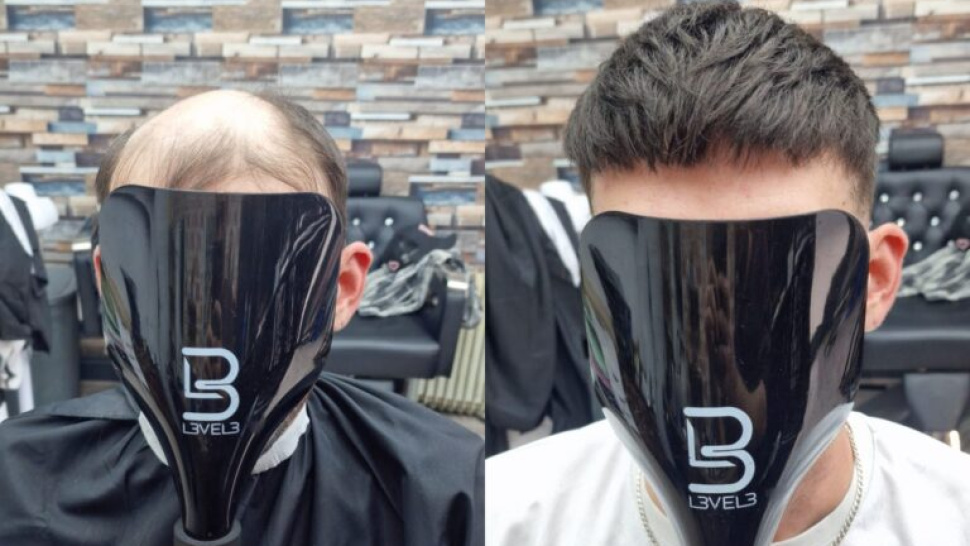

A hair system can look natural and feel comfortable when it is cared for properly. However, small maintenance mistakes can affect its appearance, damage the base or shorten its lifespan.
Many problems can be avoided by using suitable products, handling the hair gently and following a consistent care routine. Understanding the most common mistakes can help you protect your hair system and make everyday maintenance easier.
1. Washing the Hair System Too Frequently
Washing too often can remove natural-looking softness from the hair and may contribute to dryness or tangling. It can also place unnecessary stress on the base and attachment.
The right washing schedule depends on how often you wear the system, your activity level, scalp condition and the products you use.
Follow the cleaning schedule recommended by your specialist. Use a suitable shampoo and wash gently rather than scrubbing the hair or base. If you exercise regularly or sweat heavily, ask whether your routine needs to be adjusted.
2. Using the Wrong Hair Care Products
Products designed for natural hair are not always suitable for hair systems. Some shampoos, conditioners and styling products may leave residue, dry out the hair or affect the attachment.
Heavy products can also make the hair look dull or difficult to manage.
Choose products recommended for your hair system and base material. Use styling products sparingly, and keep conditioners or oils away from areas where they could interfere with adhesive. If you are unsure about a product, check with your specialist before using it.
3. Brushing Too Roughly
Pulling a brush through tangled hair can cause shedding, breakage and unnecessary stress on the system. This is especially important for longer hair or delicate base materials.
Use a suitable brush or wide-tooth comb. Start at the ends and work through tangles gradually before moving towards the roots. Avoid forceful brushing, and take extra care when the hair is wet.
4. Using Too Much Heat When Styling
Frequent use of high heat can dry out human hair and affect its texture. Heat may also damage some base materials, depending on their construction.
Follow the system’s heat-styling instructions. Use a lower setting where possible and avoid holding heated tools in one area for too long. If you regularly use a hairdryer or styling tool, ask your specialist which methods are suitable for your system.
5. Removing the System Incorrectly
Pulling a hair system off without the correct removal method can damage the base, loosen hair or irritate the scalp.
Lace systems may stretch or tear if handled roughly, while thin skin systems can be damaged by pulling or using unsuitable products.
Use the recommended adhesive remover and follow the correct removal technique. Allow the product time to work rather than pulling at the system. If you are new to wearing one, ask your specialist to demonstrate safe removal.
6. Leaving Adhesive Build-Up for Too Long
Adhesive residue can collect on the base and make cleaning more difficult. If it is left for too long, removal may require extra handling, which can increase the risk of damage.
Follow a regular maintenance schedule based on your system and adhesive. Clean the base using suitable products and avoid scraping or scrubbing aggressively.
The cleaning method may differ between lace, skin and hybrid systems, so use instructions designed for your particular base.
7. Ignoring the Scalp Beneath the System
Hair system care should include the scalp, not just the hair itself. Sweat, oil and product residue can build up, while some adhesives or cleaning products may cause irritation.
Clean the scalp during scheduled maintenance and check for signs of discomfort. If you notice persistent redness, itching, soreness or a reaction to a product, stop using the suspected product and seek professional advice.
Do not continue wearing a system over irritated or damaged skin without appropriate guidance.
8. Wearing the System for Too Long Between Maintenance
Waiting until the system feels loose or uncomfortable can make maintenance more difficult. The attachment may weaken, and residue may become harder to remove.
Follow the maintenance schedule recommended for your system. The ideal timing depends on the base material, adhesive, scalp condition, activity level and wearing routine.
If your lifestyle changes or you begin exercising more often, ask whether your maintenance schedule should be adjusted.
9. Using Too Much Styling Product
Large amounts of gel, wax, spray or other styling products can build up on the hair. This may make it look heavy, dull or difficult to wash.
Use a small amount of a suitable product and add more only if needed. Choose products that can be removed easily during your normal cleaning routine.
A simple styling routine can help keep the hair looking natural without unnecessary build-up.
10. Exposing the System to Excessive Sunlight
Frequent exposure to sunlight may affect hair colour and condition. Over time, the hair can become dry or appear faded.
When practical, protect the system during long periods outdoors. Follow the recommended care routine after activities that involve prolonged sun exposure, and ask your specialist whether any additional protection is suitable.
11. Treating Every Base Material the Same Way
Lace, skin and hybrid systems have different properties. A cleaning method that works for one base may be unsuitable for another.
Lace is delicate and needs careful handling, while thin skin bases can be vulnerable to tearing. Hybrid systems may require different care for different sections.
Learn the specific care instructions for your system. Ask your specialist about cleaning, adhesive removal, brushing and storage rather than relying on general advice.
12. Trying to Fix Every Problem at Home
Some maintenance tasks are manageable at home, but others may require professional attention. Attempting to repair a damaged base or make major adjustments without the right tools can make the problem worse.
Contact your specialist if the base is damaged, the attachment is not holding properly, or the system no longer fits comfortably. Professional maintenance can help identify the issue and explain whether repair, adjustment or replacement is appropriate.
13. Storing the System Incorrectly
When a system is not being worn, poor storage can lead to tangling, dust or unnecessary pressure on the base.
Store the system in a clean, dry place and follow the manufacturer’s guidance. Avoid placing heavy objects on it or leaving the hair tangled. If the system is stored for an extended period, ask your specialist about the best method.
14. Choosing a System Without Considering Maintenance
A system may look appealing, but its maintenance needs should fit your lifestyle. A delicate base or demanding attachment routine may not suit someone who has limited time for regular care.
Discuss maintenance before choosing a system. Consider your activity level, preferred wearing schedule, comfort needs and how much time you can realistically spend on care.
You can learn more about fitting options and professional support here:
https://www.londonhairreplacement.co.uk/new-hair-system/
How to Build a Better Hair System Care Routine
A reliable routine does not need to be complicated. Follow the recommended cleaning and attachment schedule, use suitable products, brush gently and check the scalp regularly.
Keep track of any changes in comfort, attachment or appearance. If something does not feel right, seek advice rather than trying several products or techniques without guidance.
The right routine will depend on your individual system, so professional instructions should take priority over general tips.
Final Thoughts
Common hair system maintenance mistakes often involve rough handling, unsuitable products, excessive heat, incorrect removal or delaying routine care. These problems can usually be reduced by understanding your system and following the right maintenance instructions.
Lace, skin and hybrid systems each have different care requirements. Taking time to learn what your system needs can help preserve its appearance, comfort and condition.
For more information about hair replacement options or to arrange a consultation, visit:



Share the News